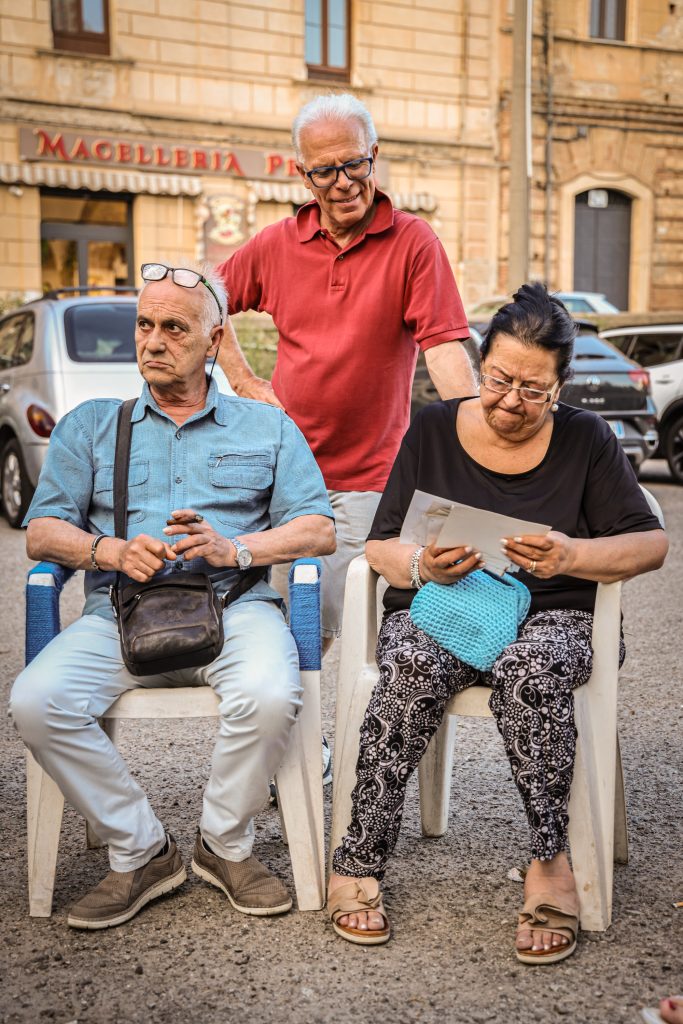
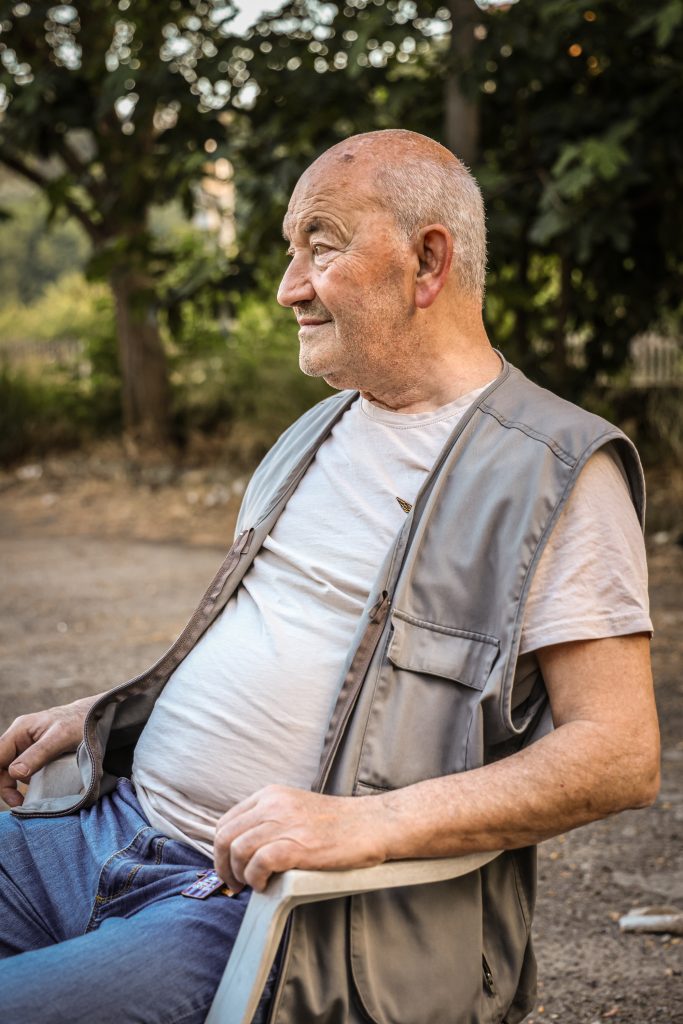
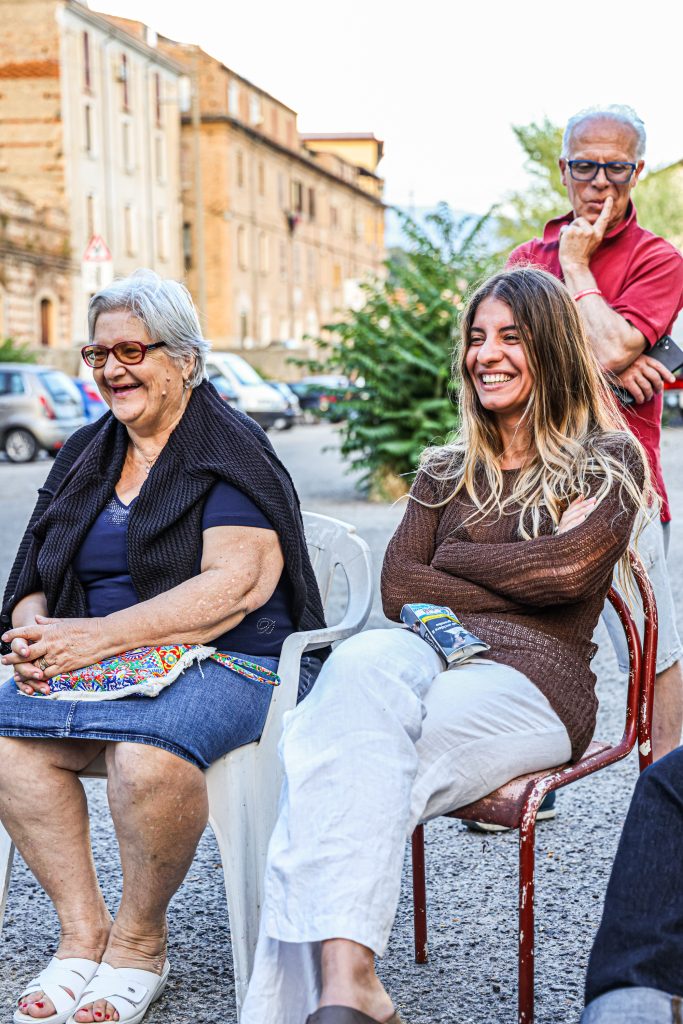
A tribute to the people of Casali, a small neighborhood in Cosenza
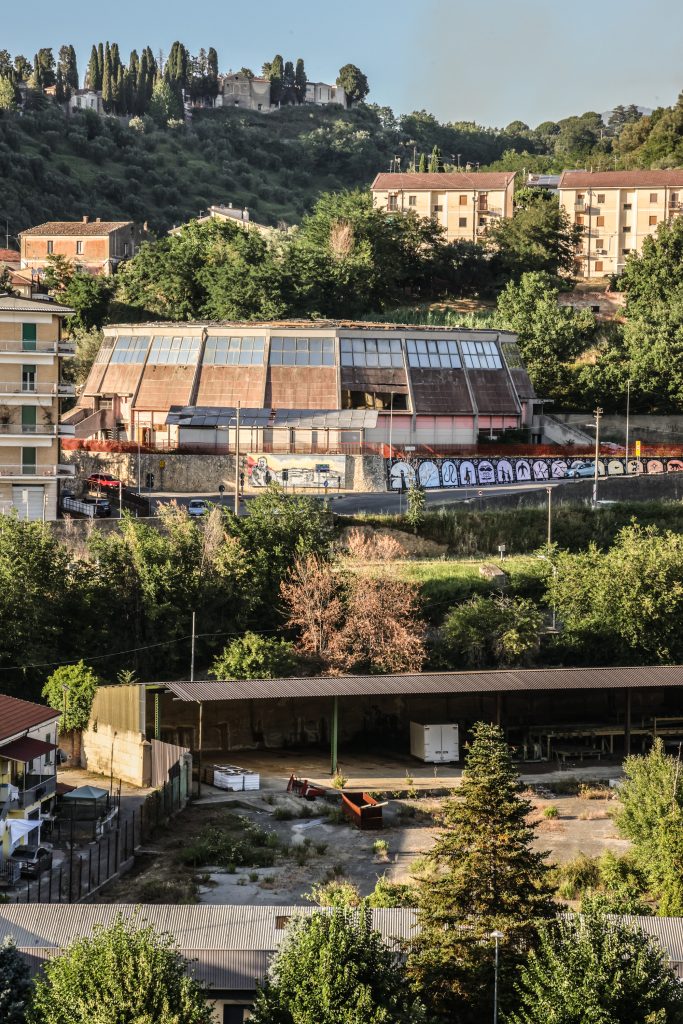
In June 2026, students from the MA Editorial Design at Dortmund University of Applied Sciences and Arts and TH Nürnberg Georg Simon Ohm travelled to Cosenza in Calabria for an intensive workshop. Working together with students from the Accademia di Belle Arti “Rosario Gagliardi” Syracuse, they explored the historic neighbourhood of Casali through conversations, photography, archival material, printing and publishing.
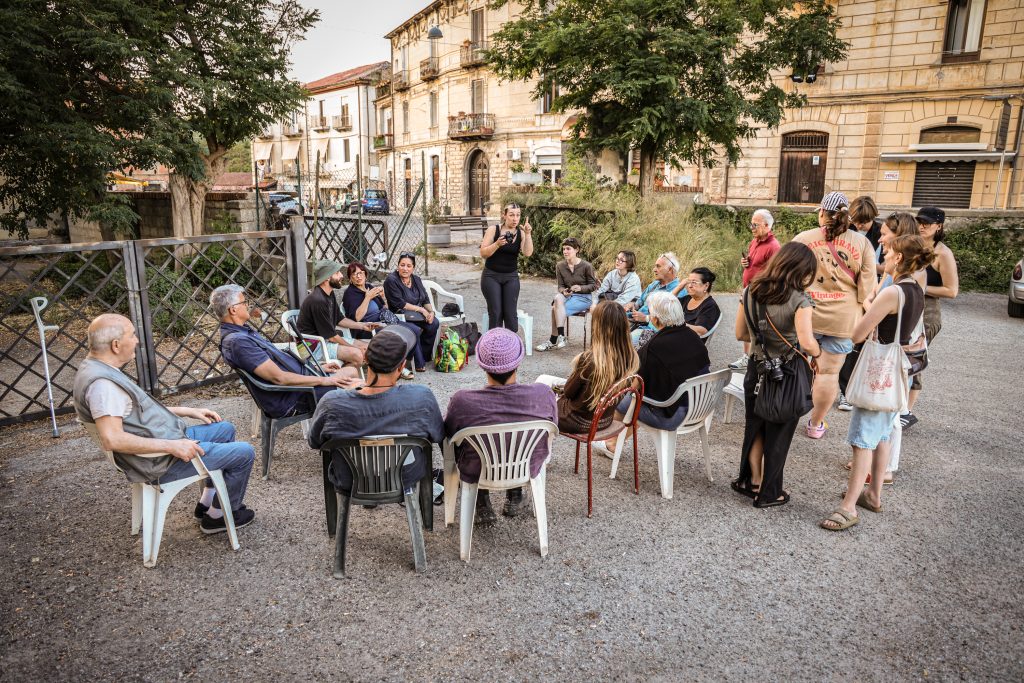
What if the greatest form of art were simply having time for one another?
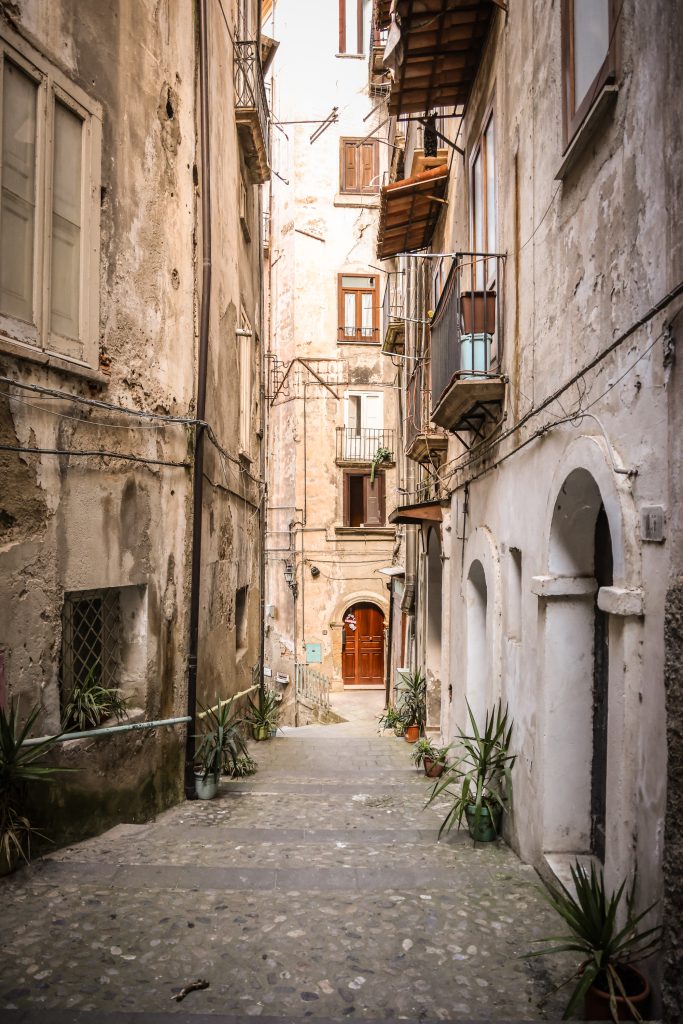
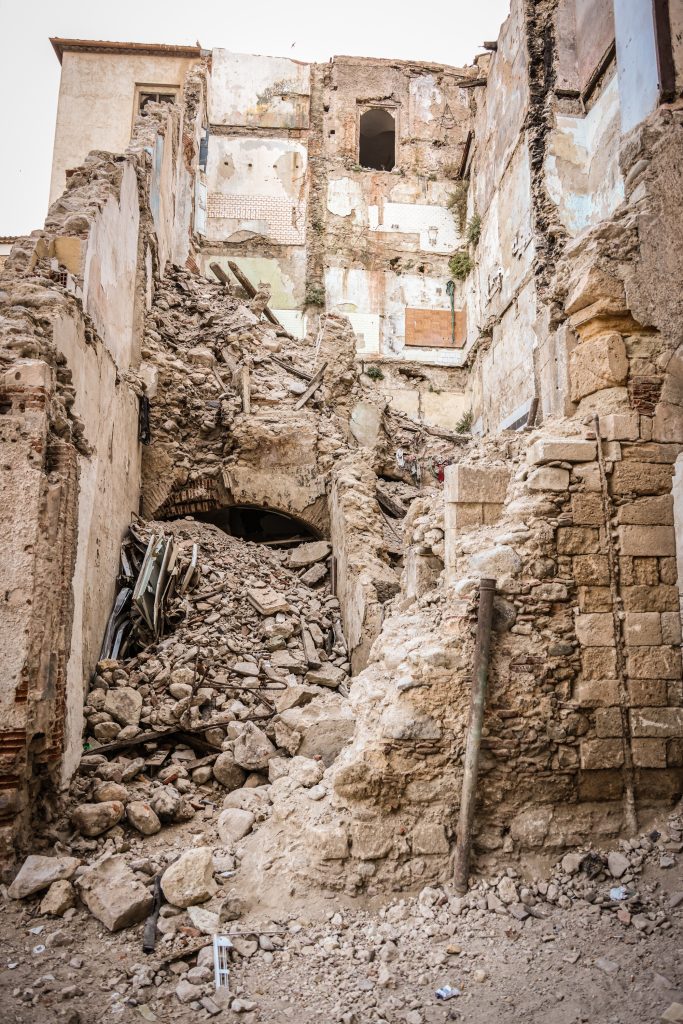
This question opens the publication that emerged from the project in Casali. It also describes something that became increasingly important during the students’ stay in Cosenza: a neighbourhood is not defined by its buildings alone, but by the people who remain, meet, remember and care for one another. What happens when the houses around them slowly crumble and people leave, yet others decide to stay?
What remains when everyday life itself becomes an act of resistance?
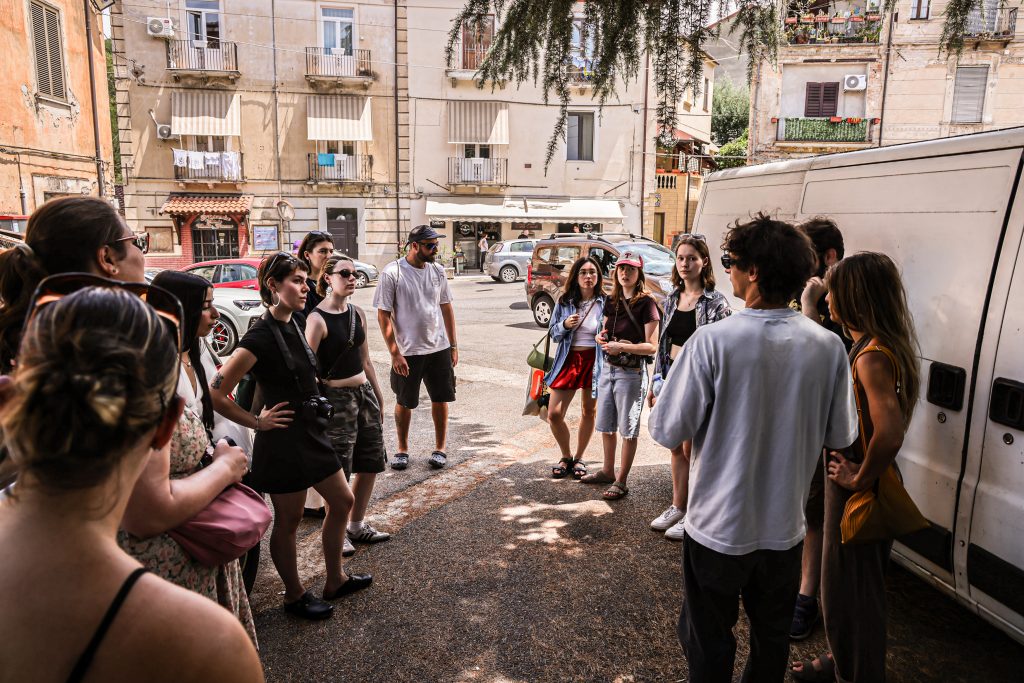
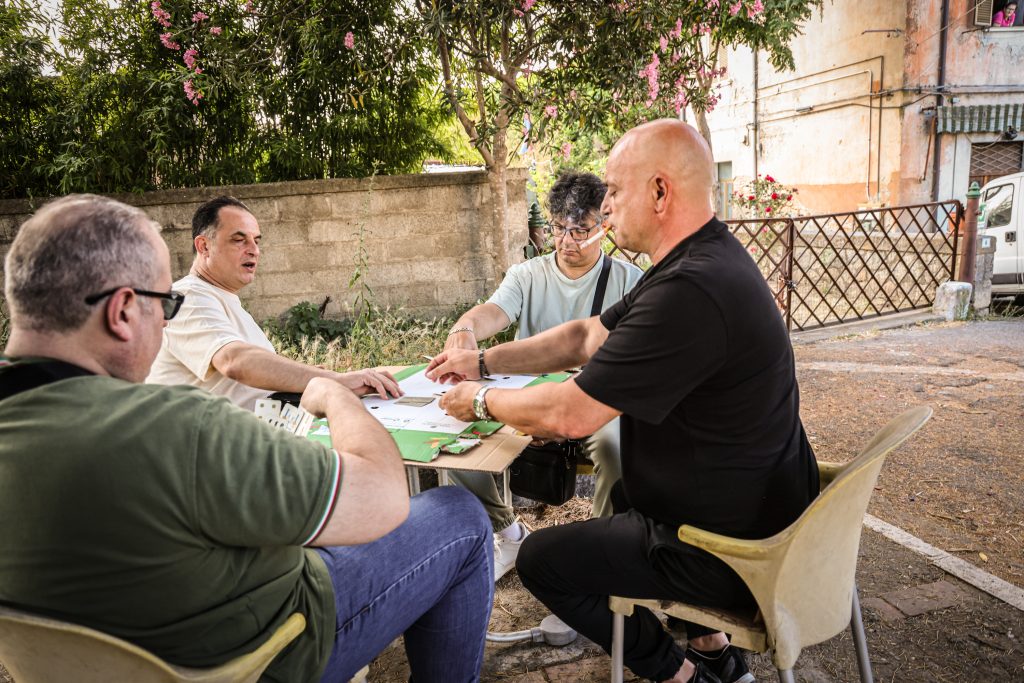
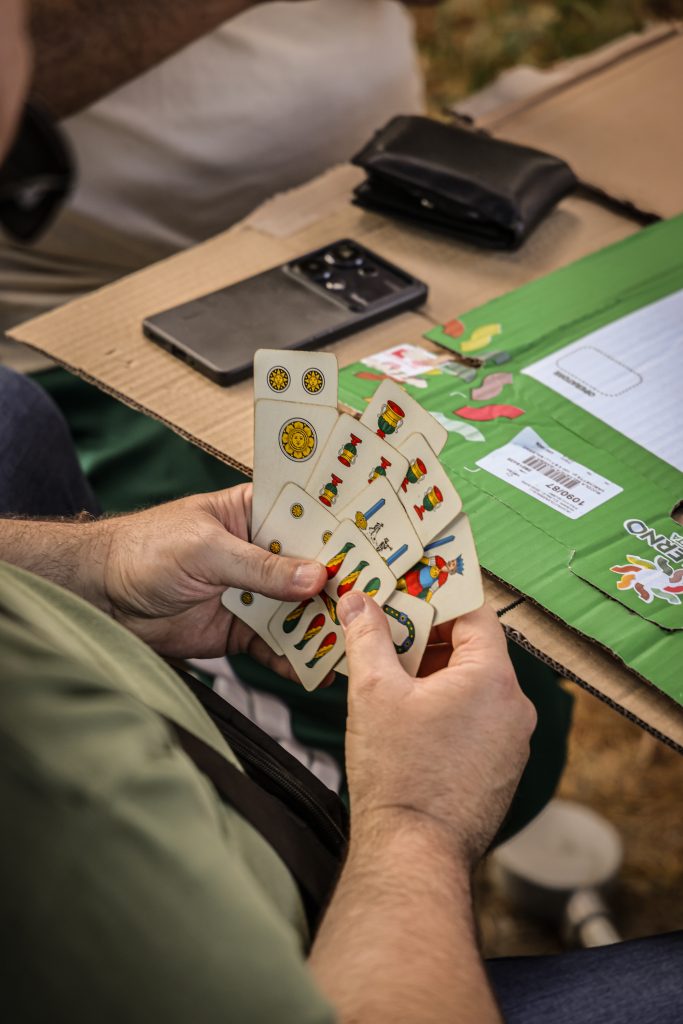
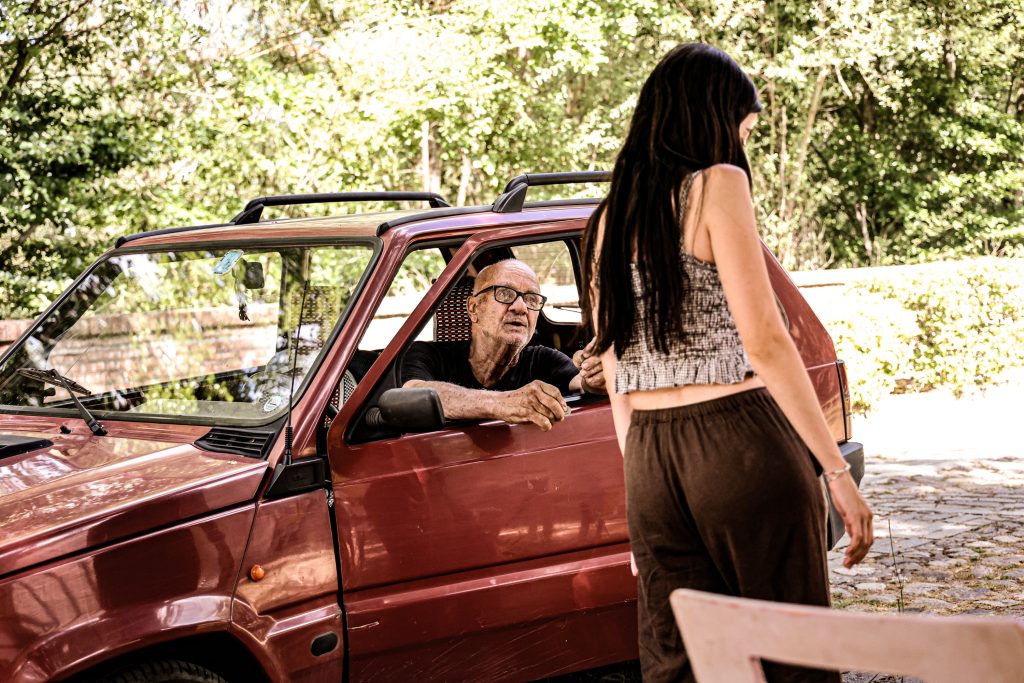
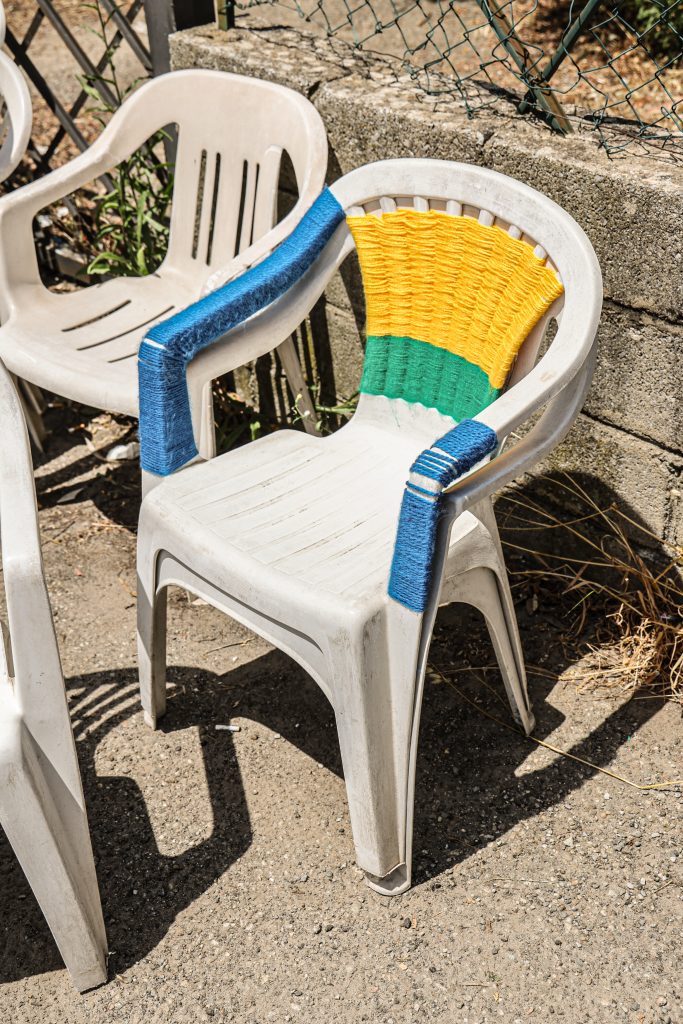
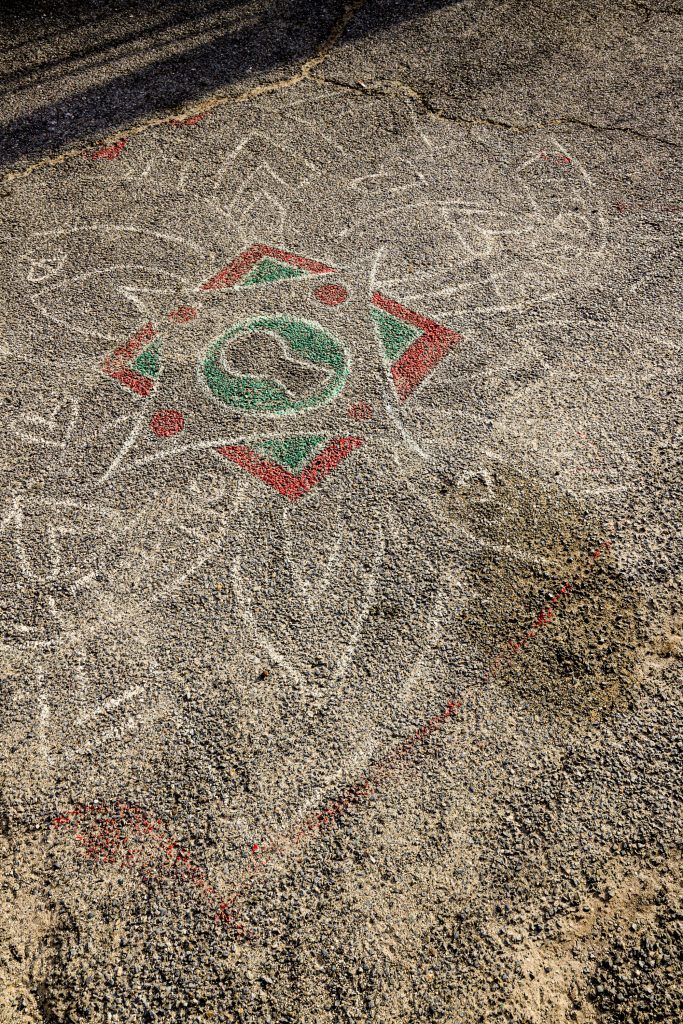
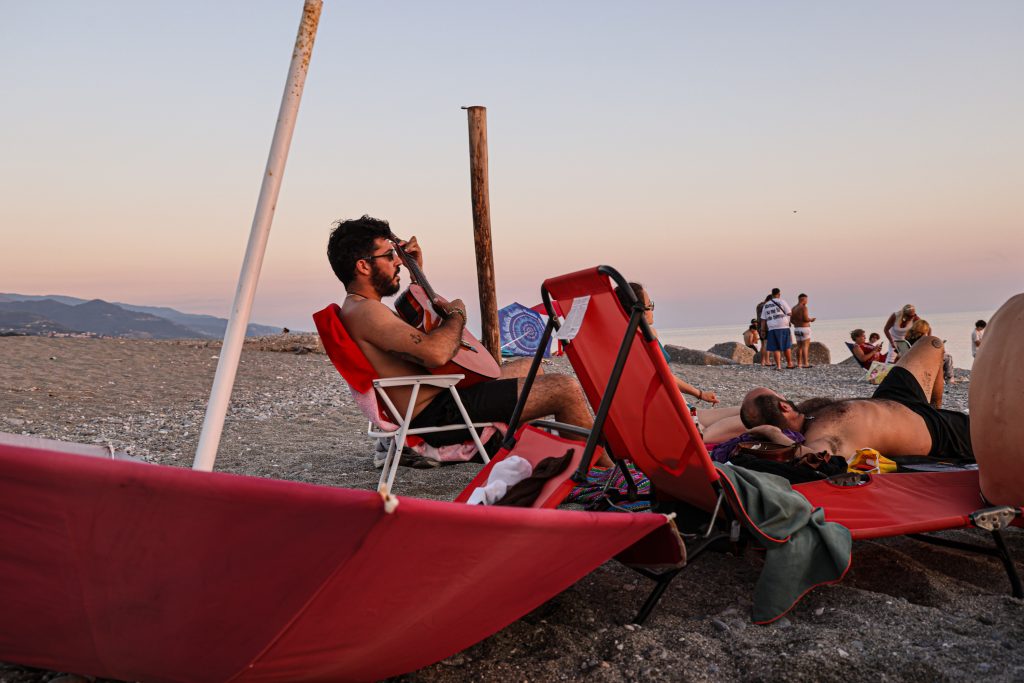
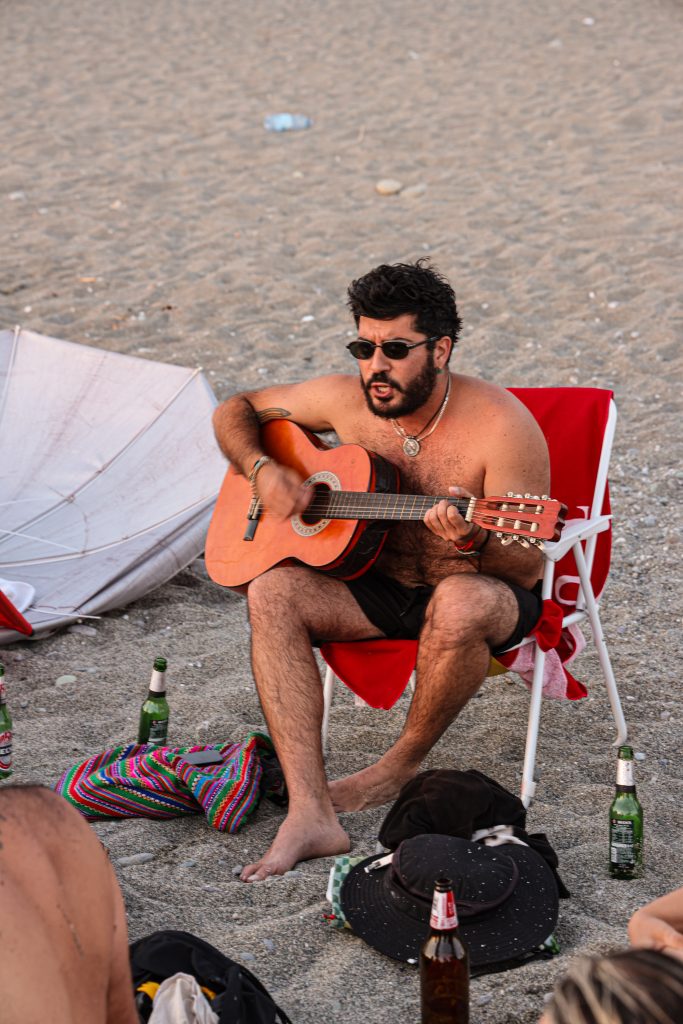
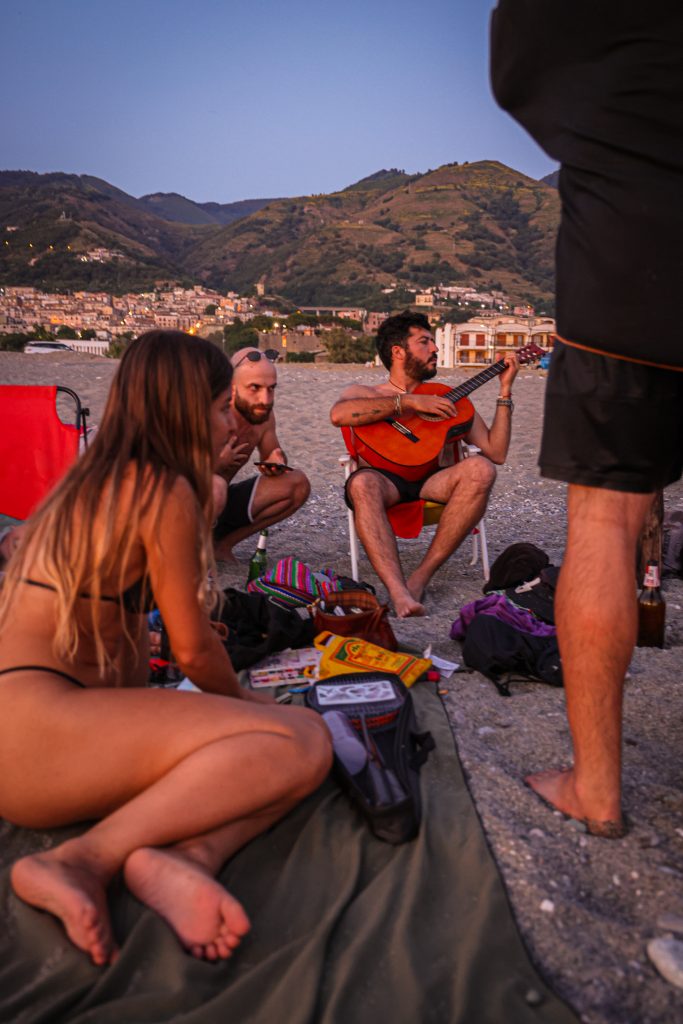
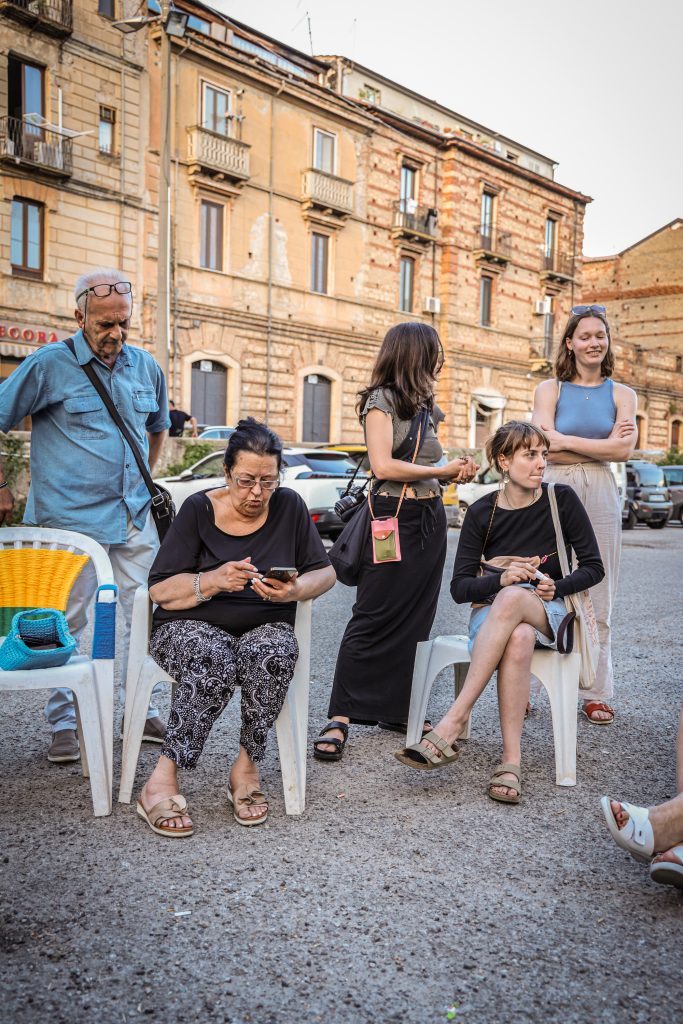
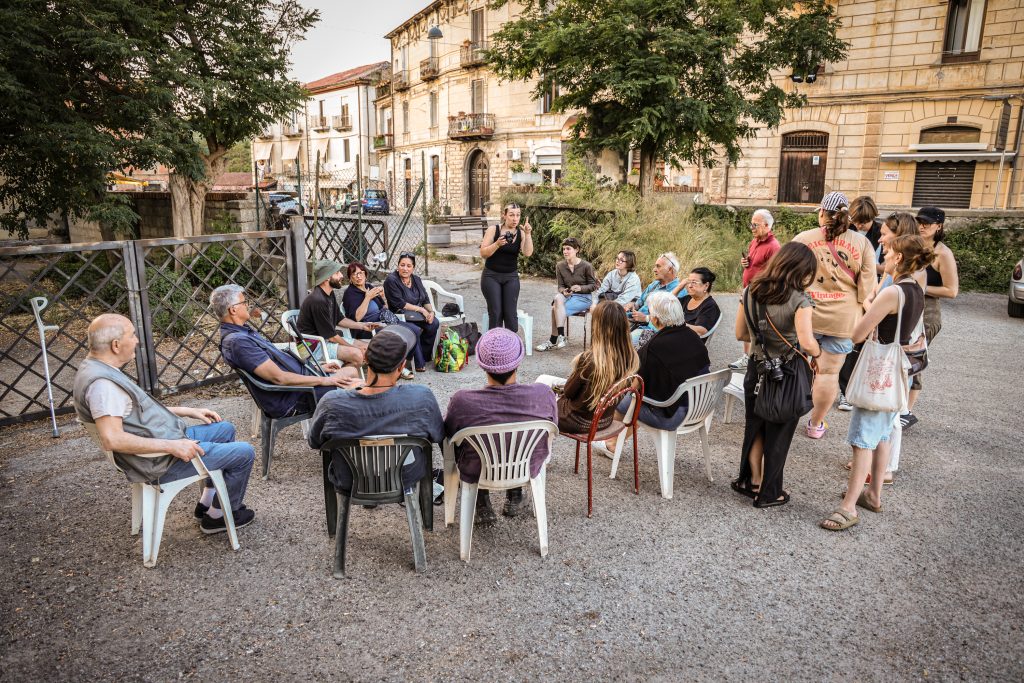
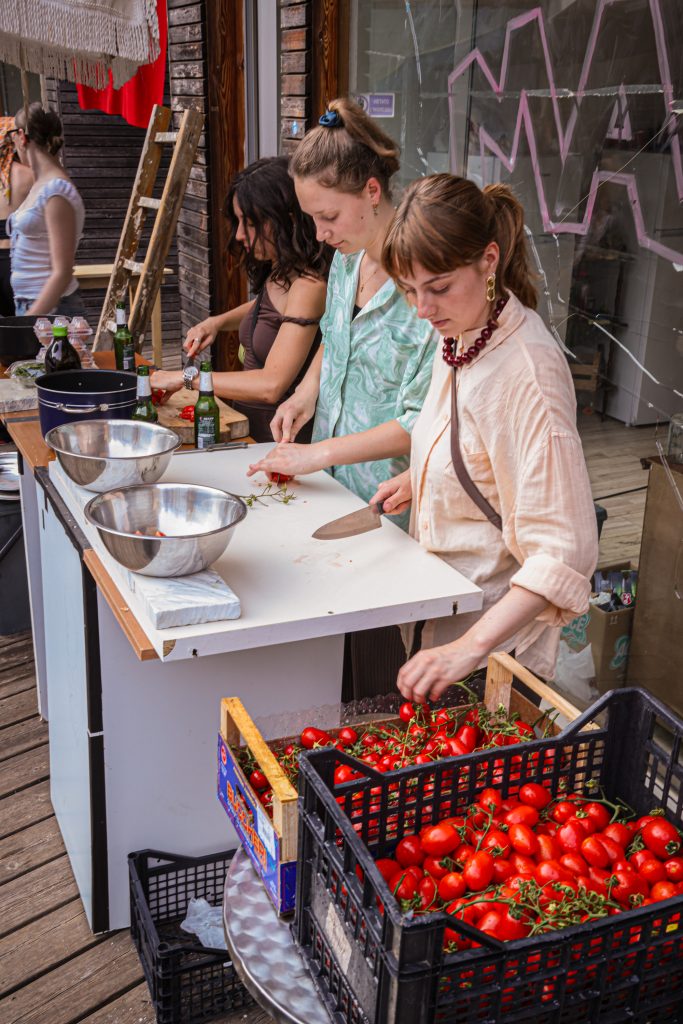
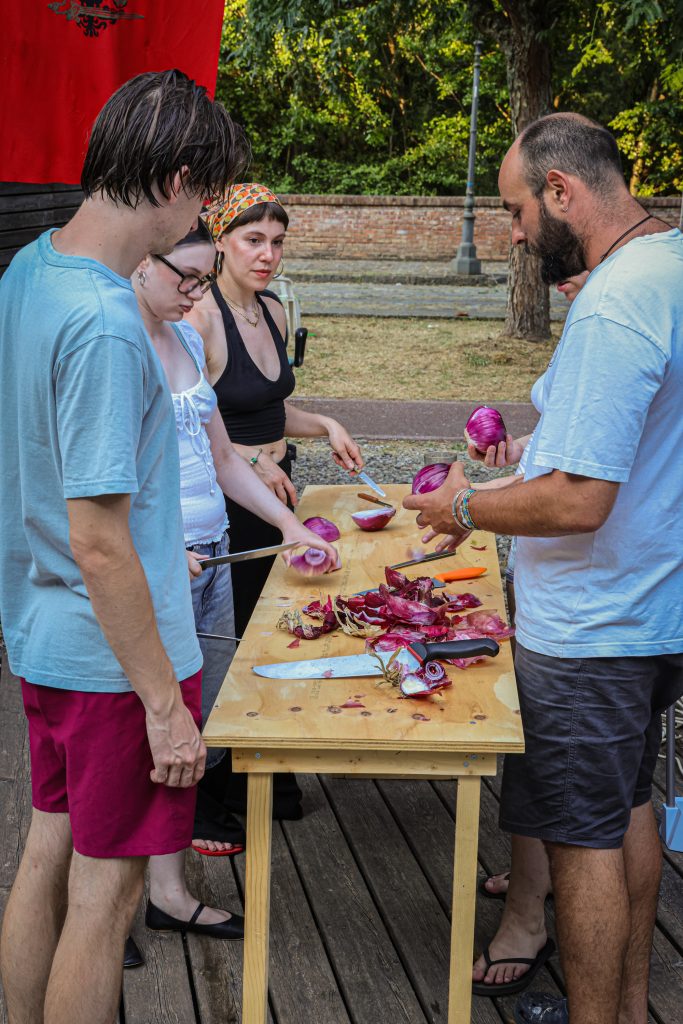
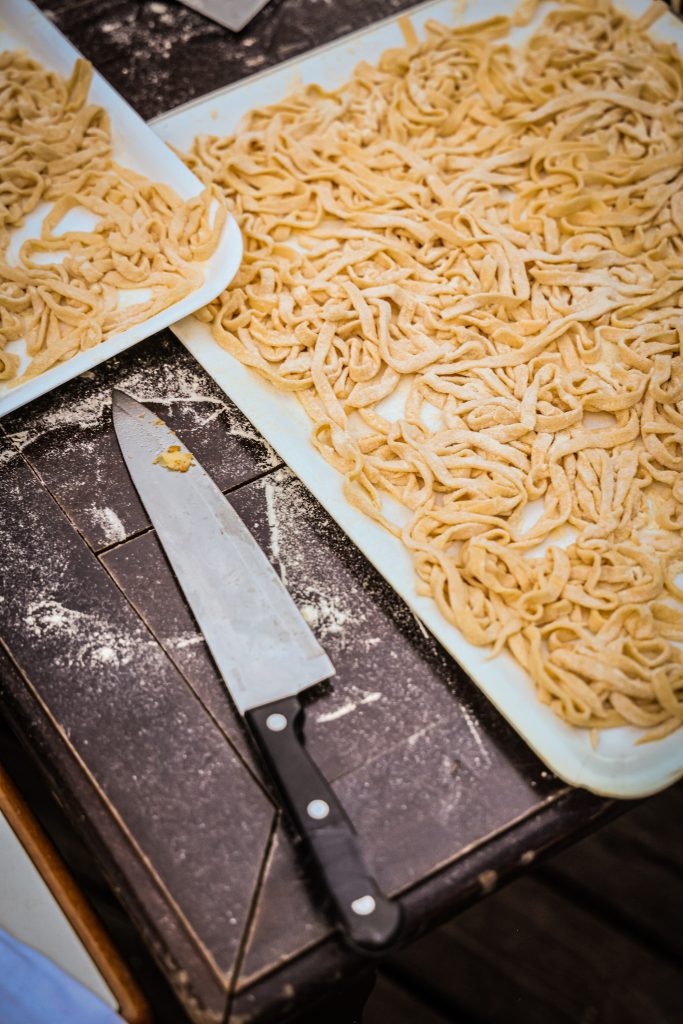
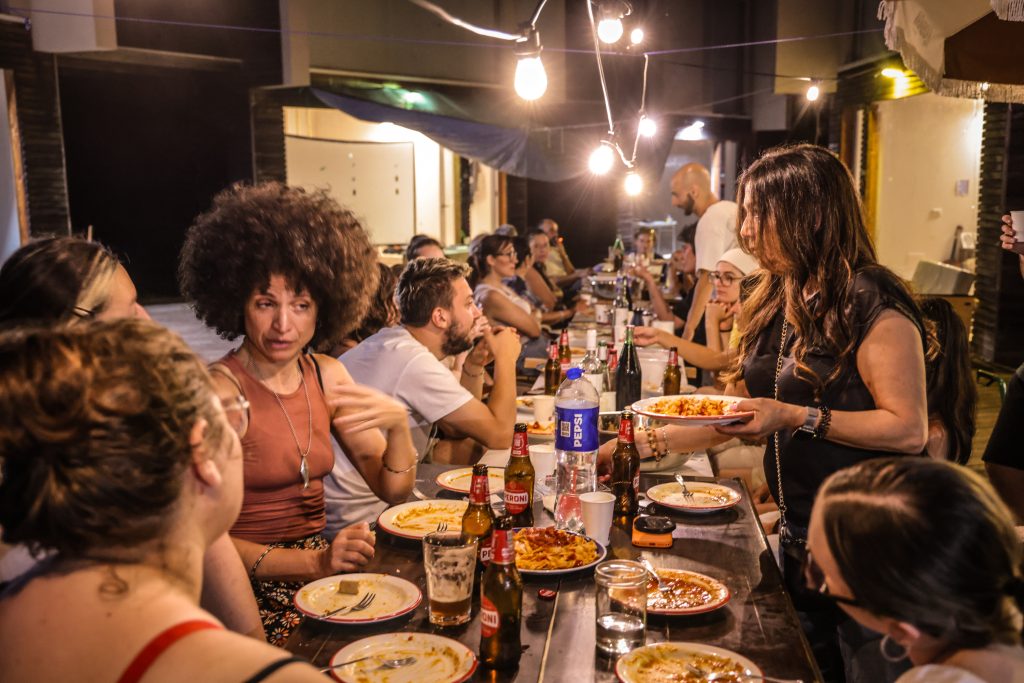
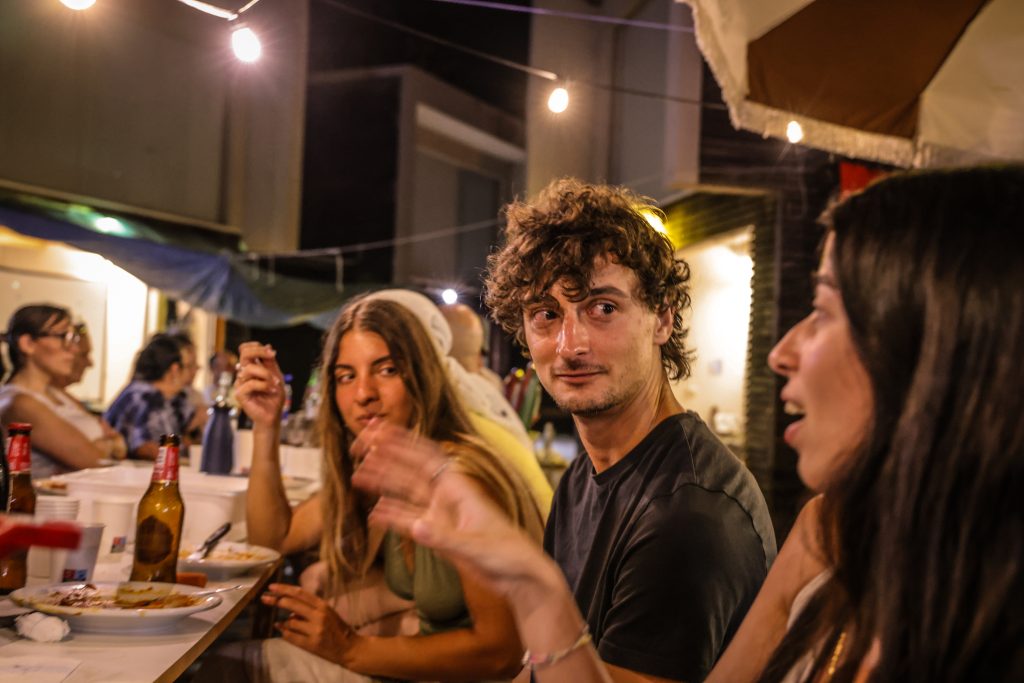
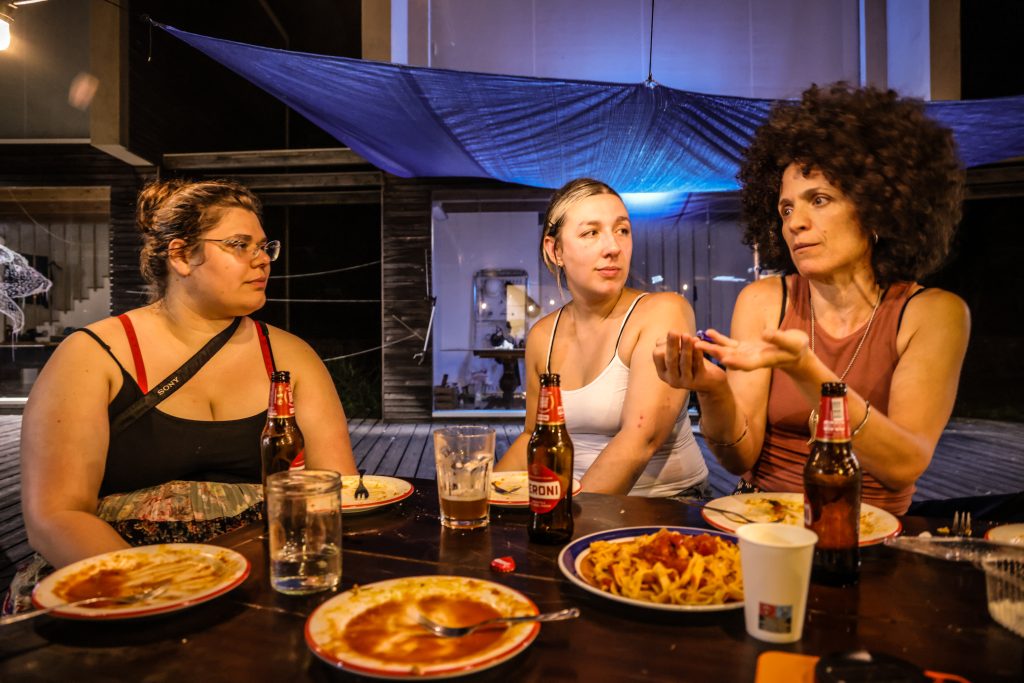
The project began with listening. Through conversations, shared meals and collective actions, it explored how community is created through everyday encounters, memory and mutual care.
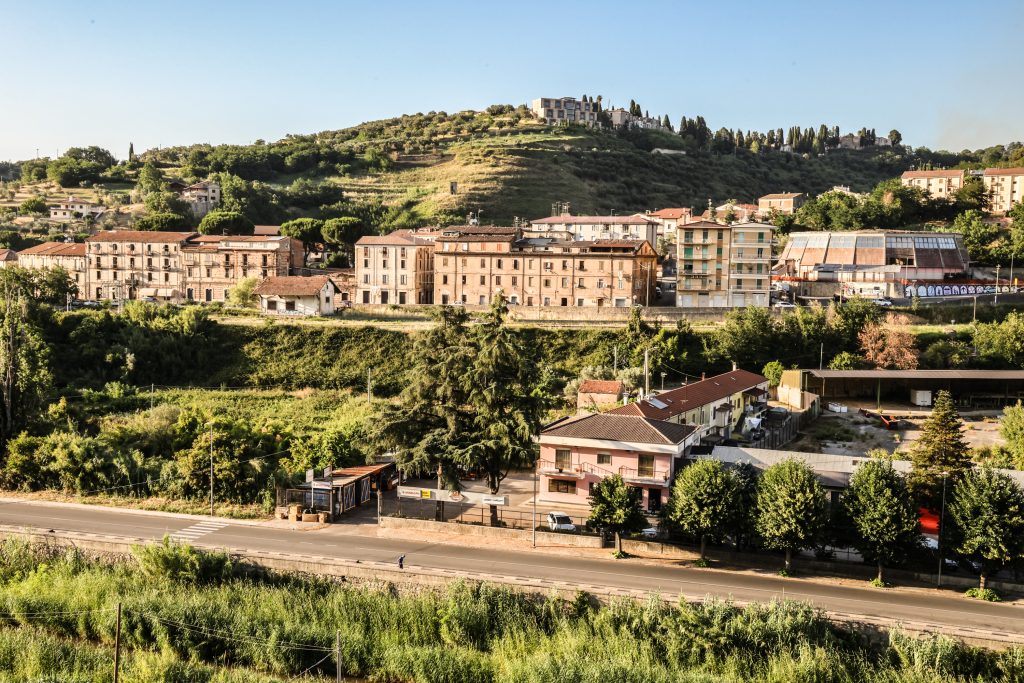
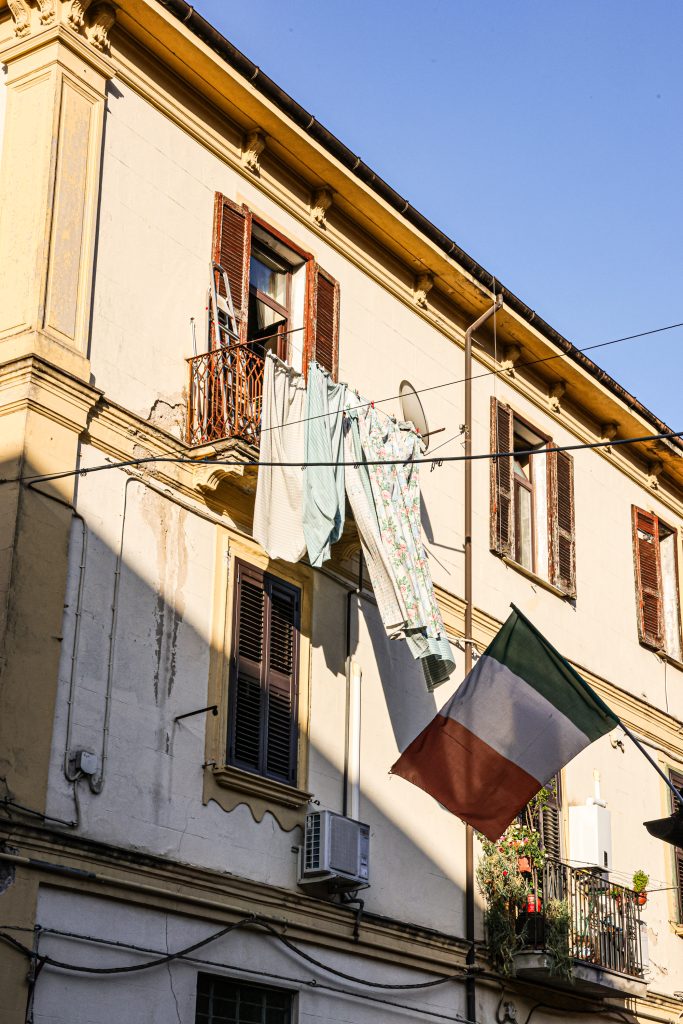
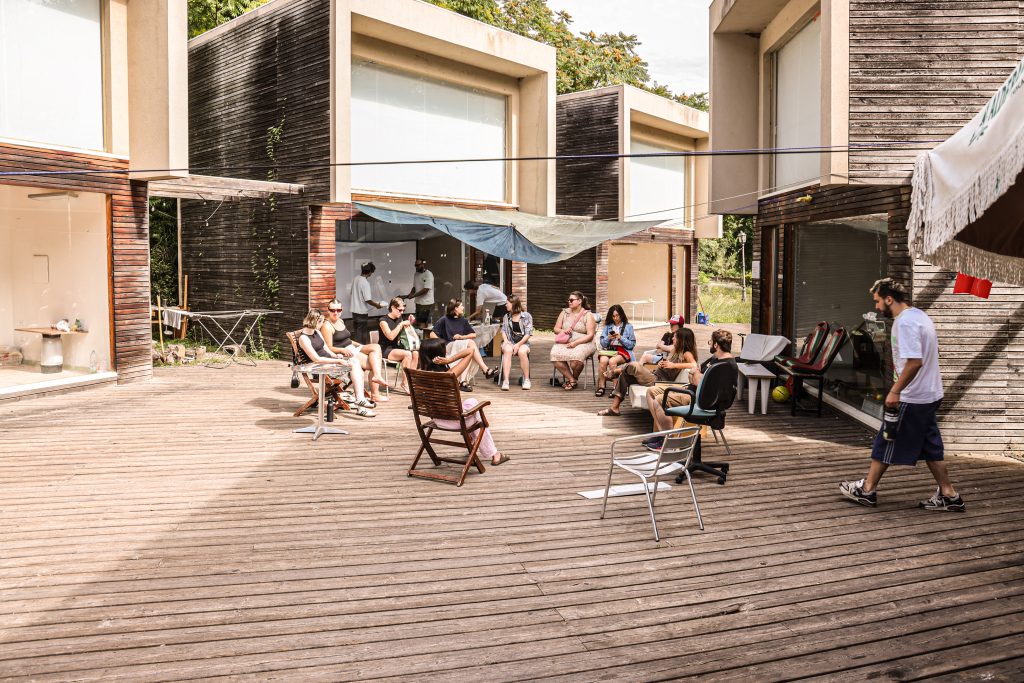
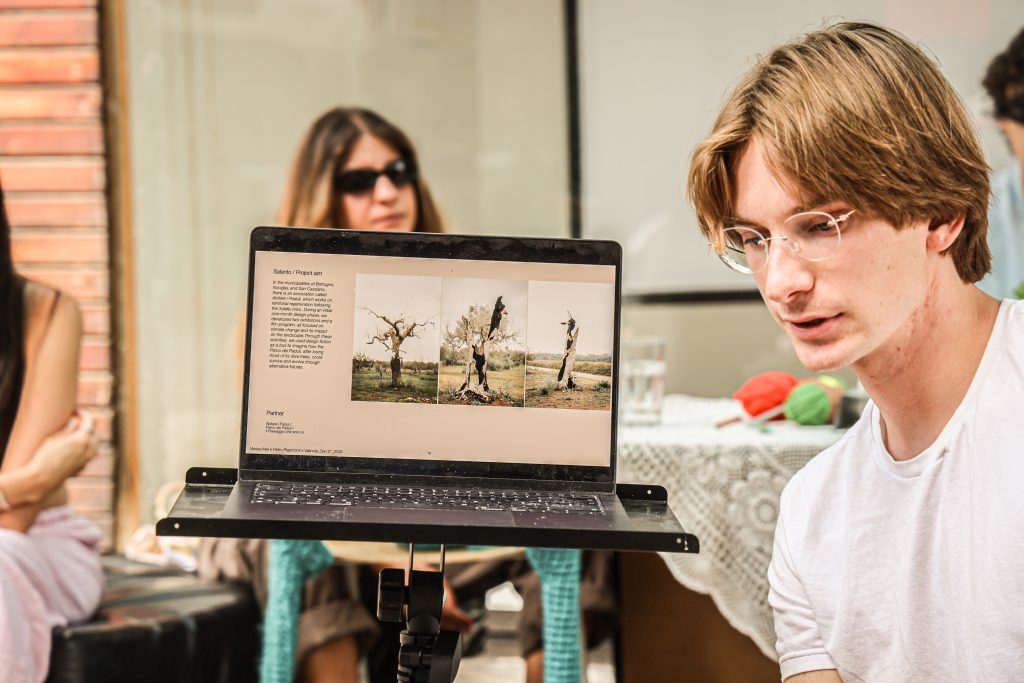
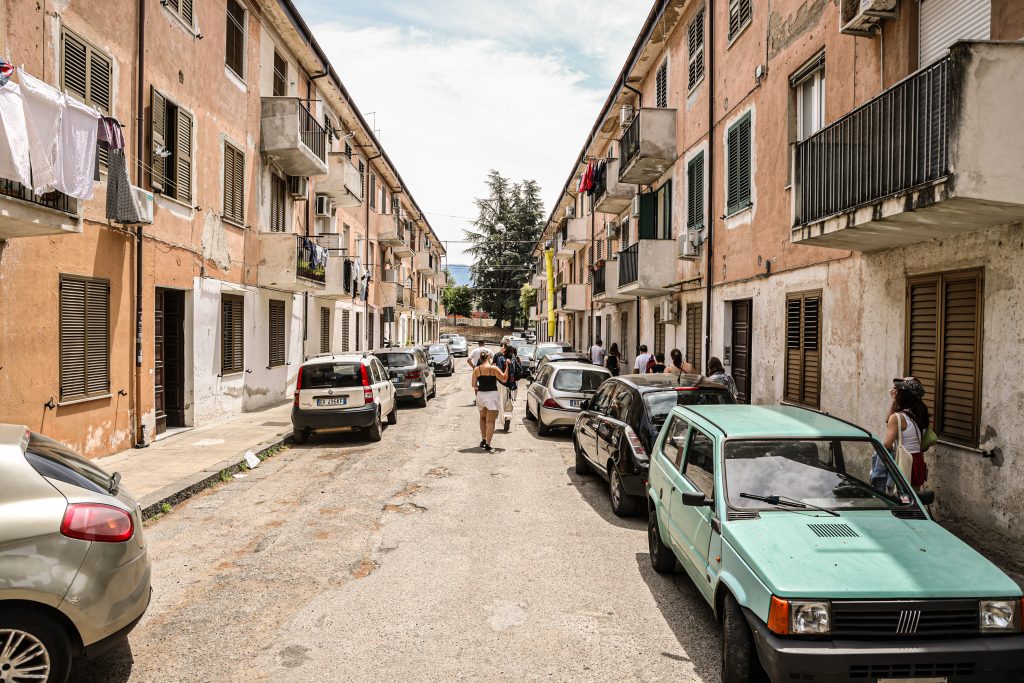
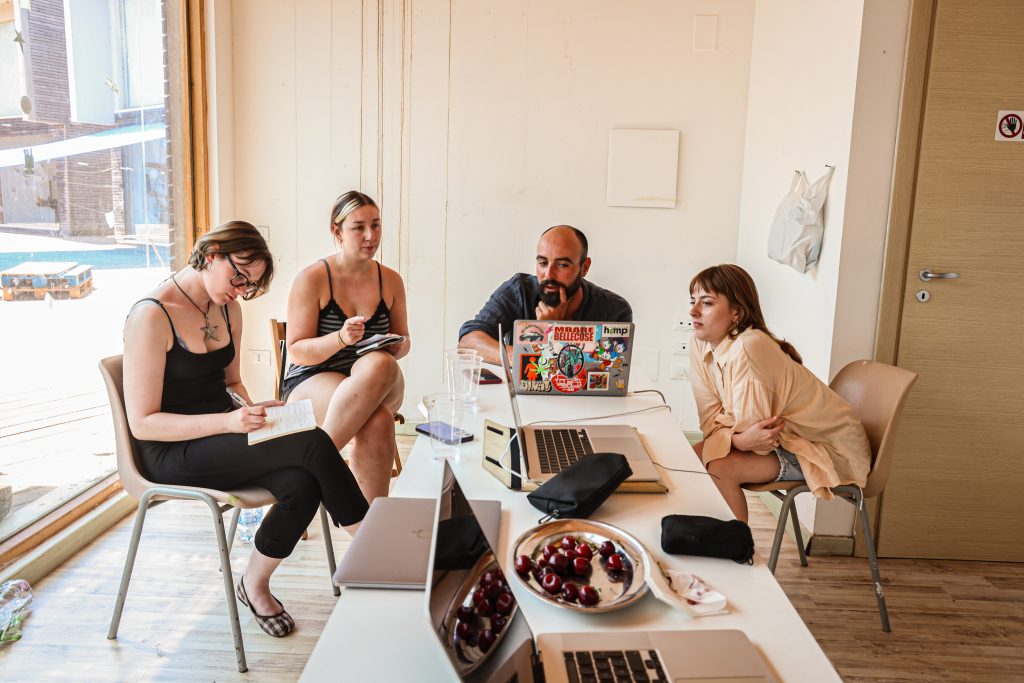
Arriving in an ongoing process
The Cosenza workshop was part of a wider initiative promoted by the City of Cosenza for the regeneration of the Casali neighbourhood and the BoCS Art site.
At its centre was the MADE Program of the Accademia di Belle Arti “Rosario Gagliardi” in Syracuse and its NOMAD Program. Together with La Rivoluzione delle Seppie, a collective engaged in territorial regeneration through collaborative processes and field research, students and teachers had already spent several weeks investigating the area.
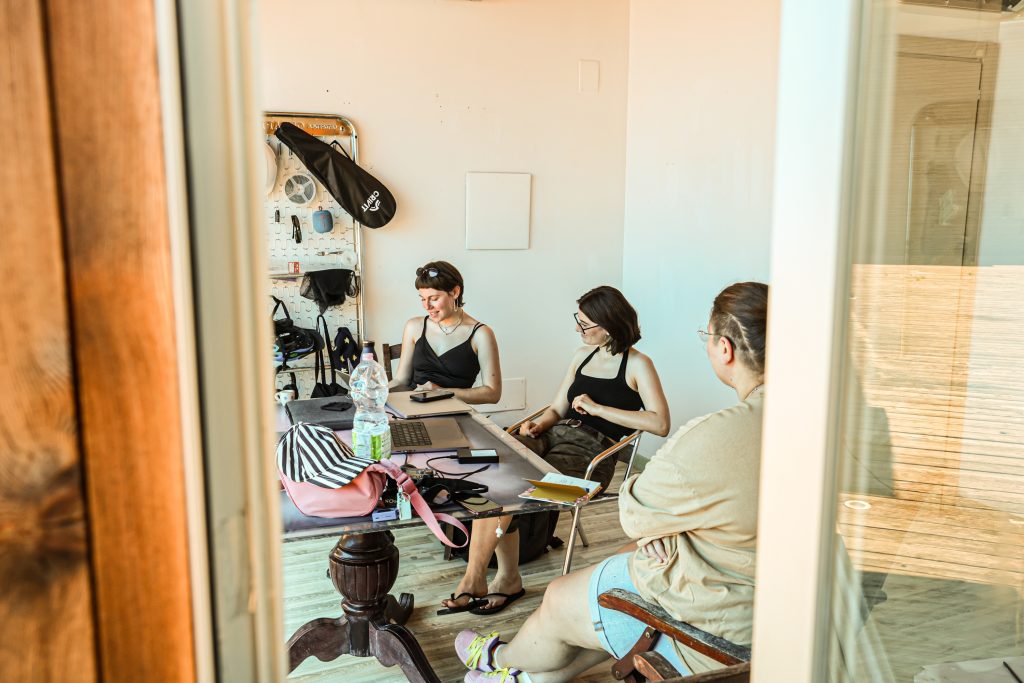
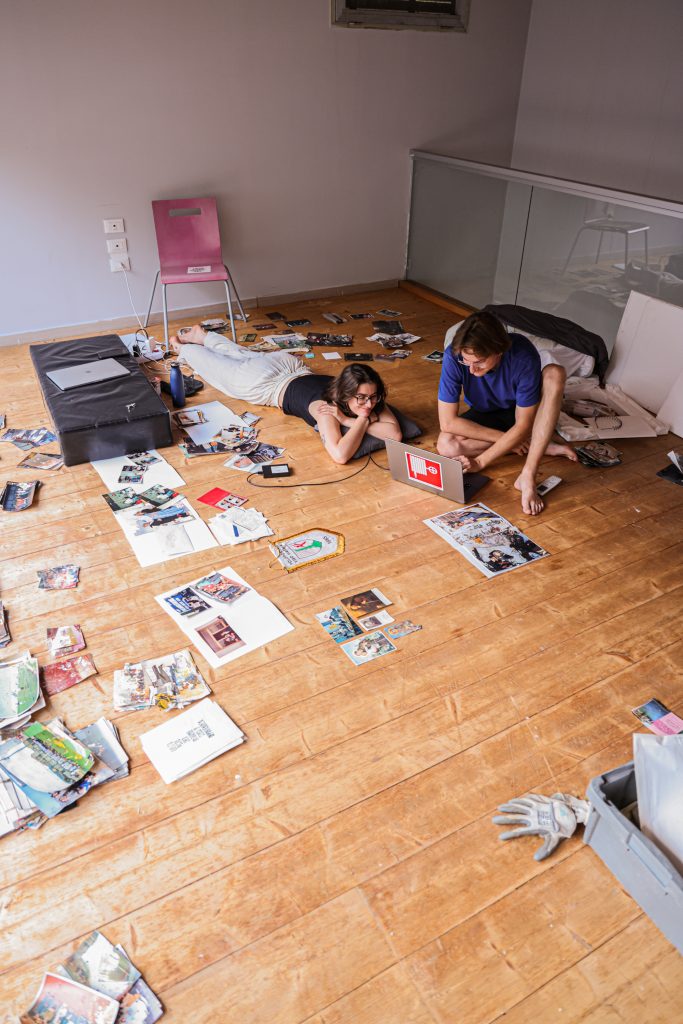
When the students from the MA Editorial Design at FH Dortmund arrived, led by Prof. Lars Harmsen, they therefore did not begin with an empty page. Their first task was to review, select and structure the material gathered by the students from Syracuse. This existing research was then expanded through new interviews, photography and observations made on site.
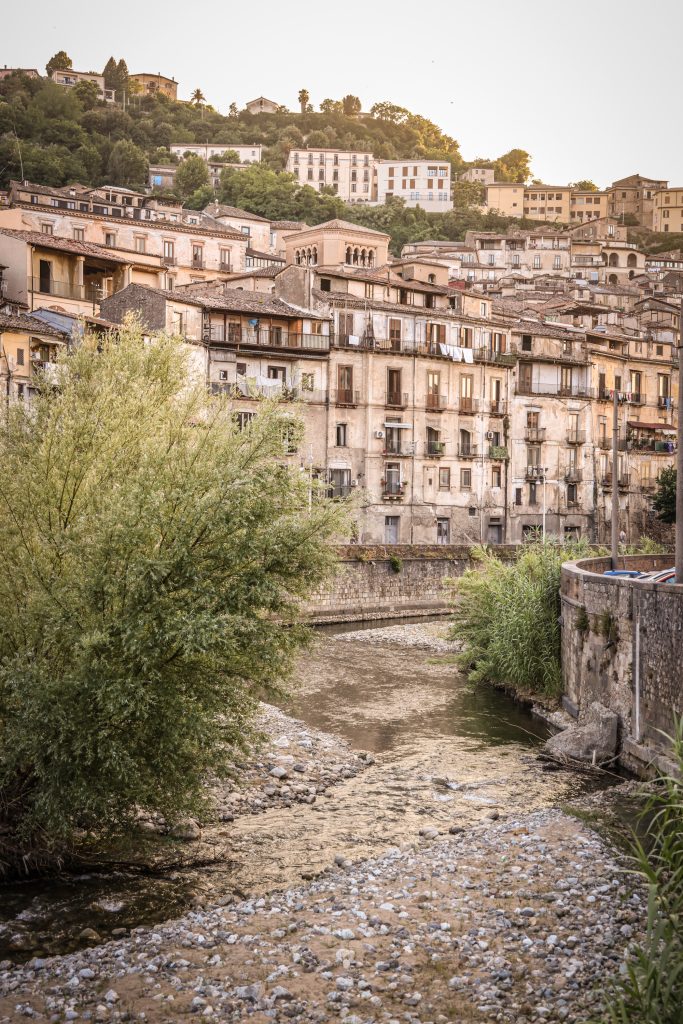
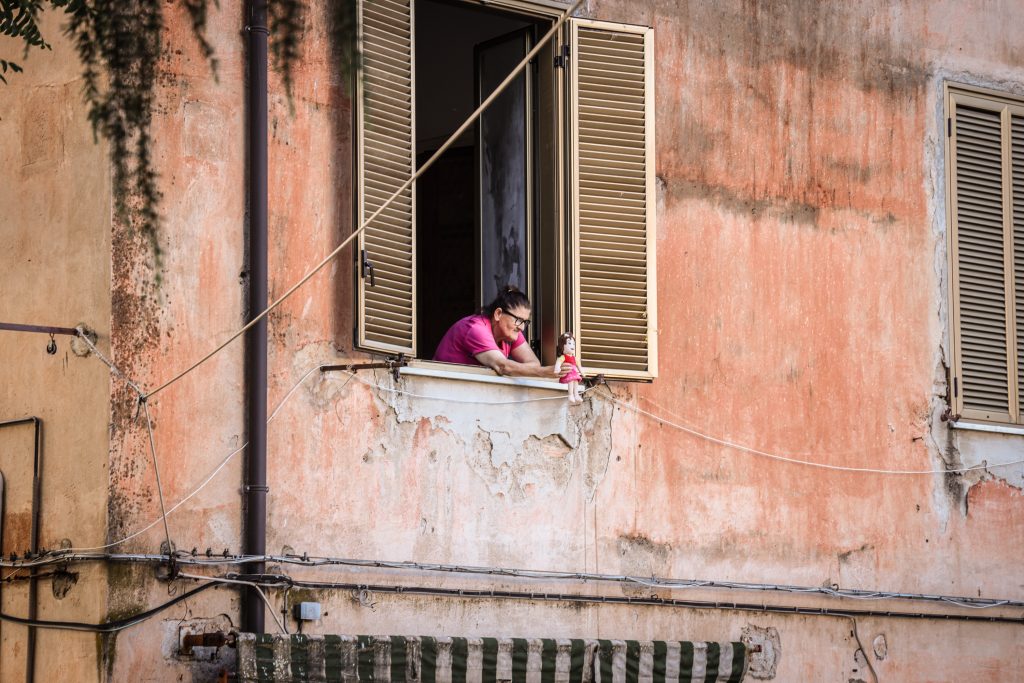
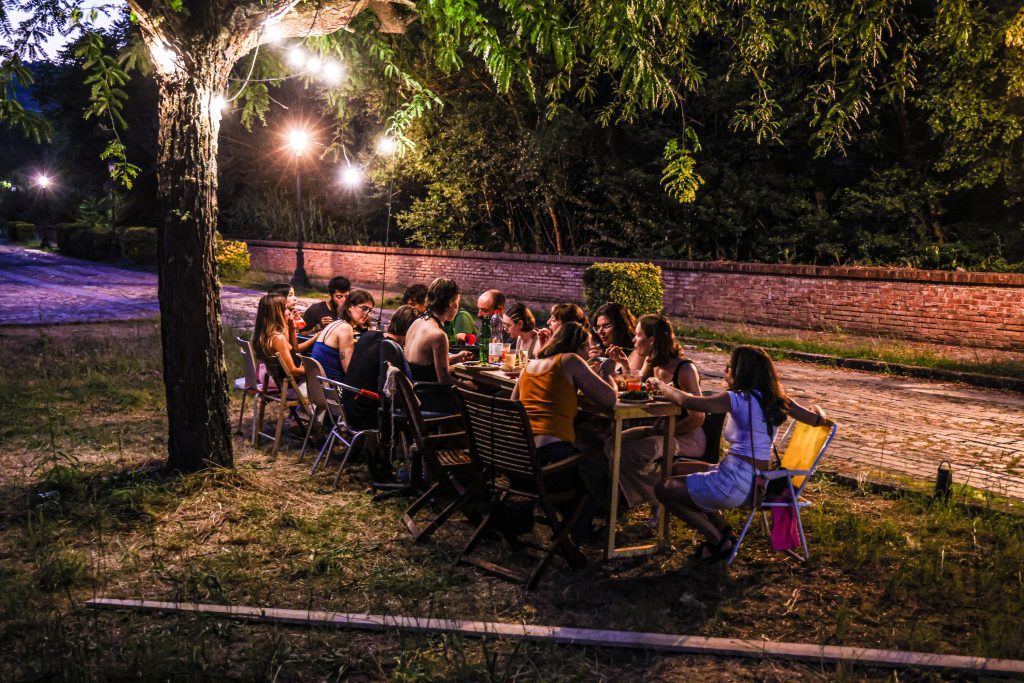
Twelve days in Calabria
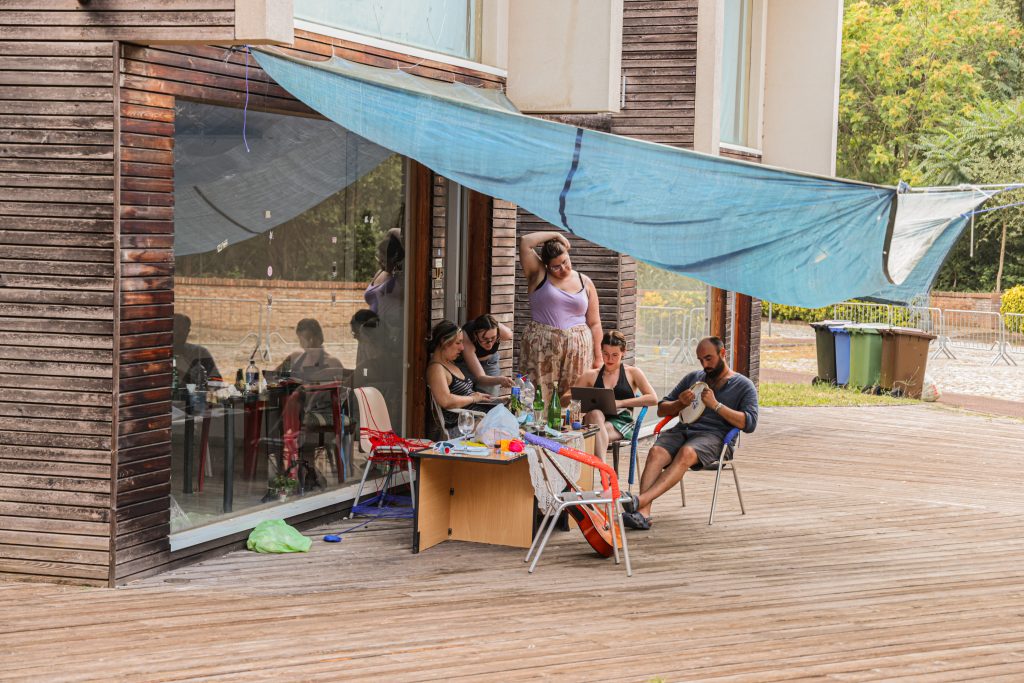
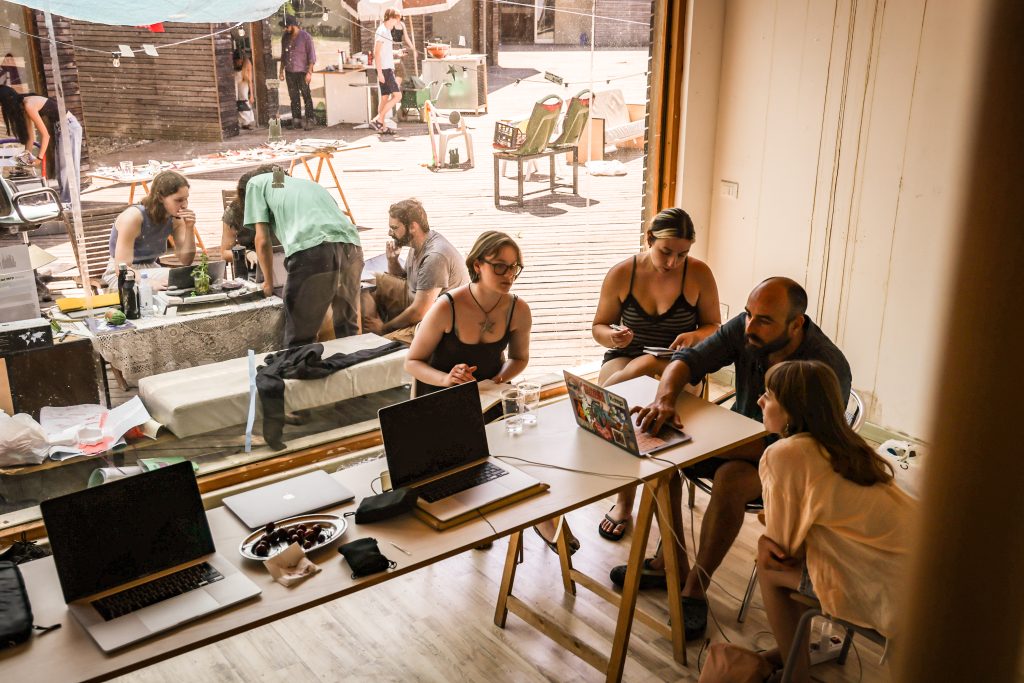
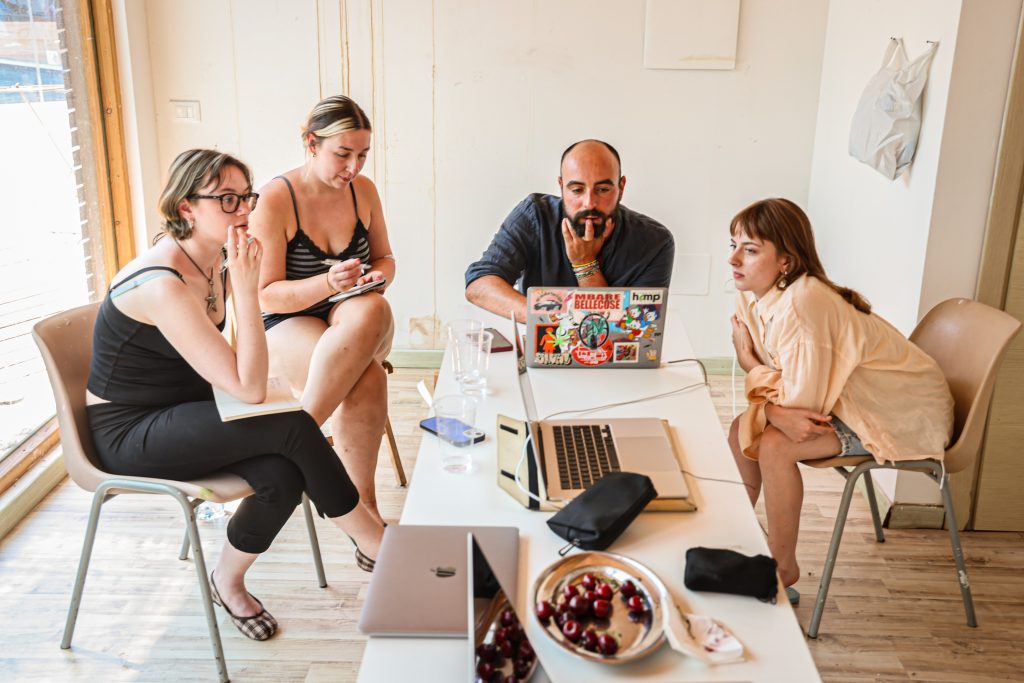
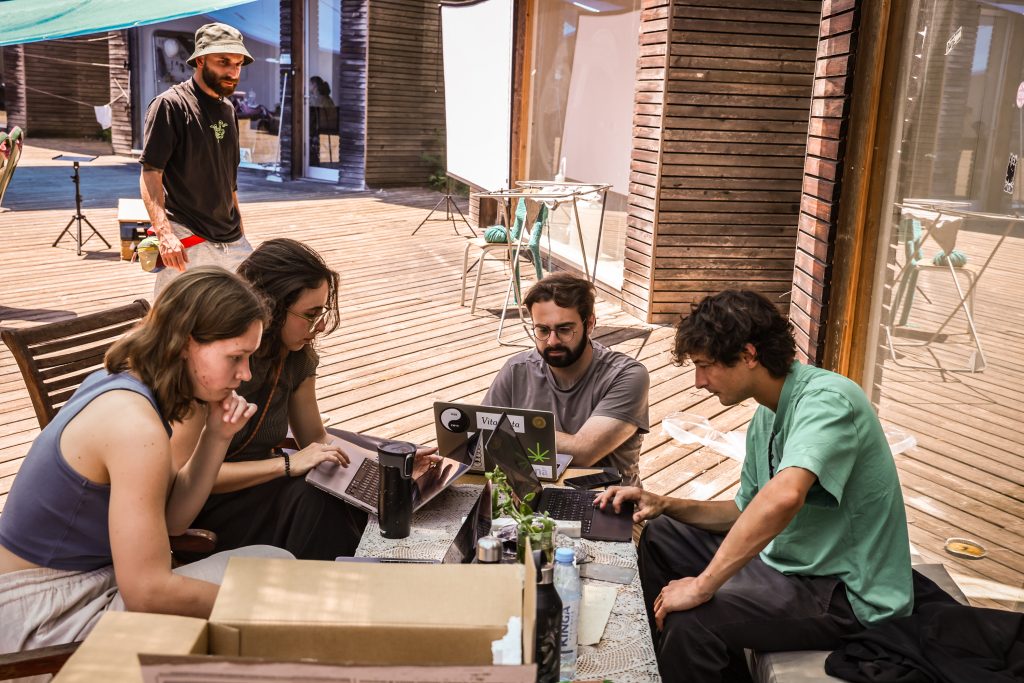
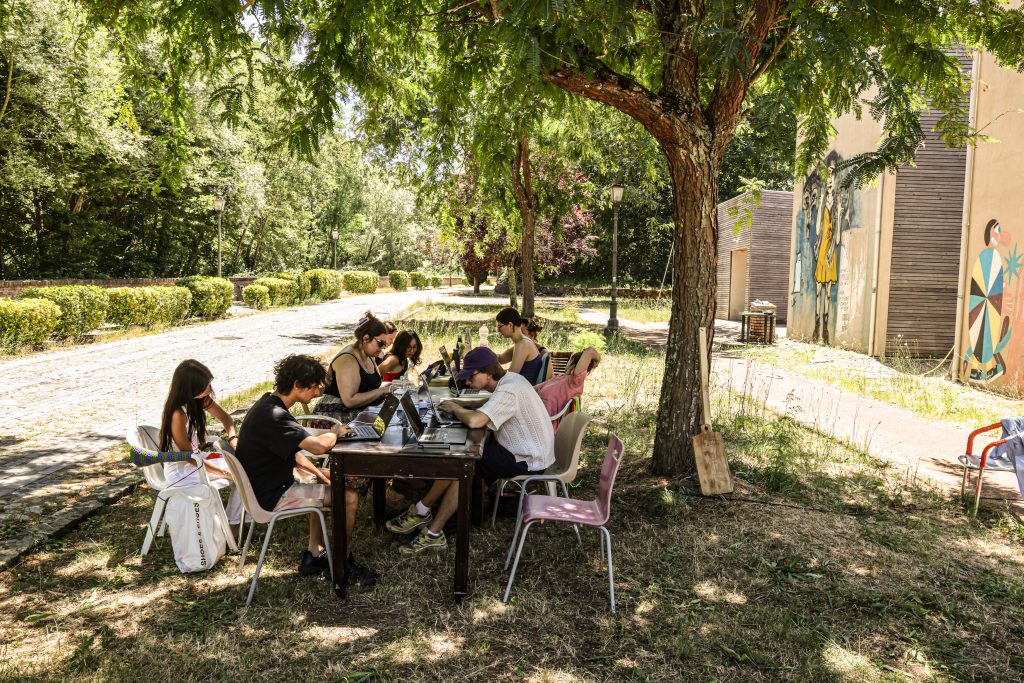
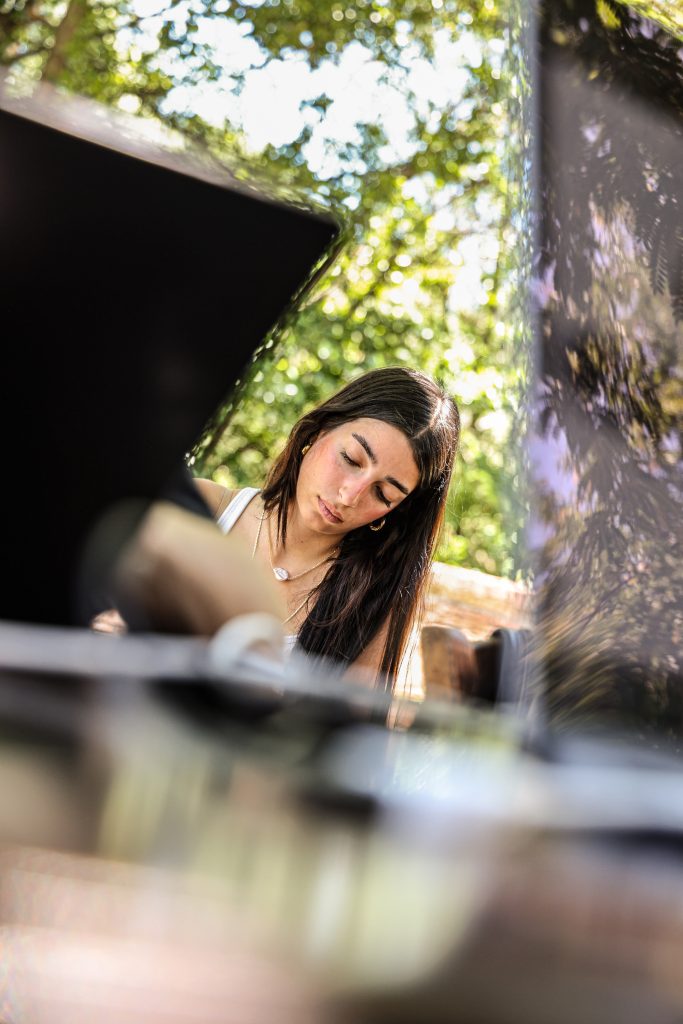
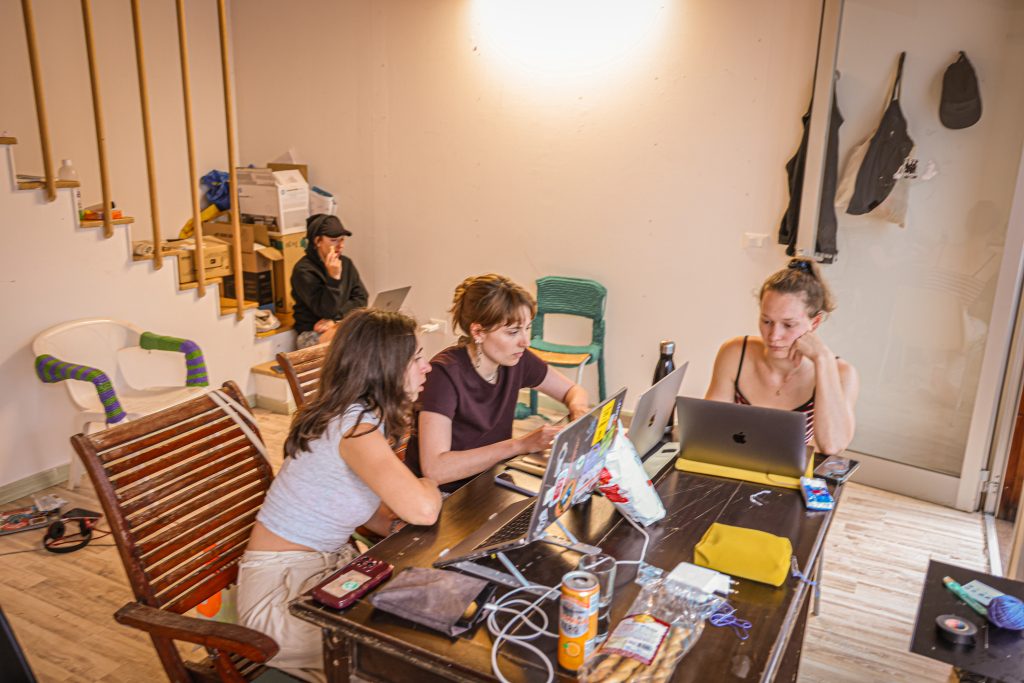
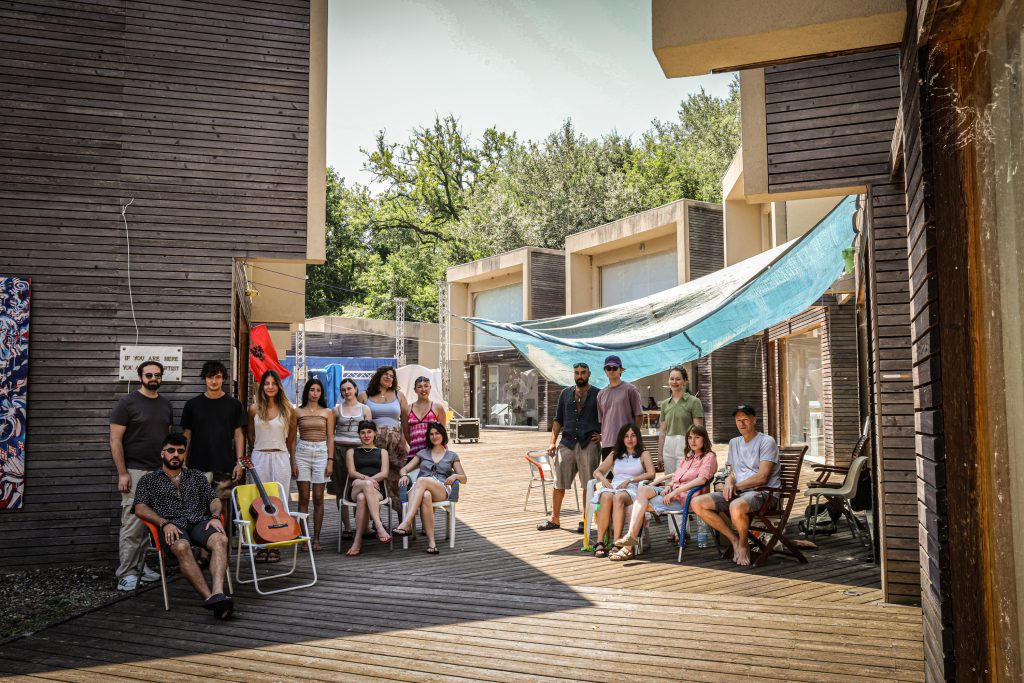
From June 15 to 27, 2026, the group lived and worked in Cosenza. Staying at BoCS Art allowed them to engage directly with the city and, above all, with the people of Casali.
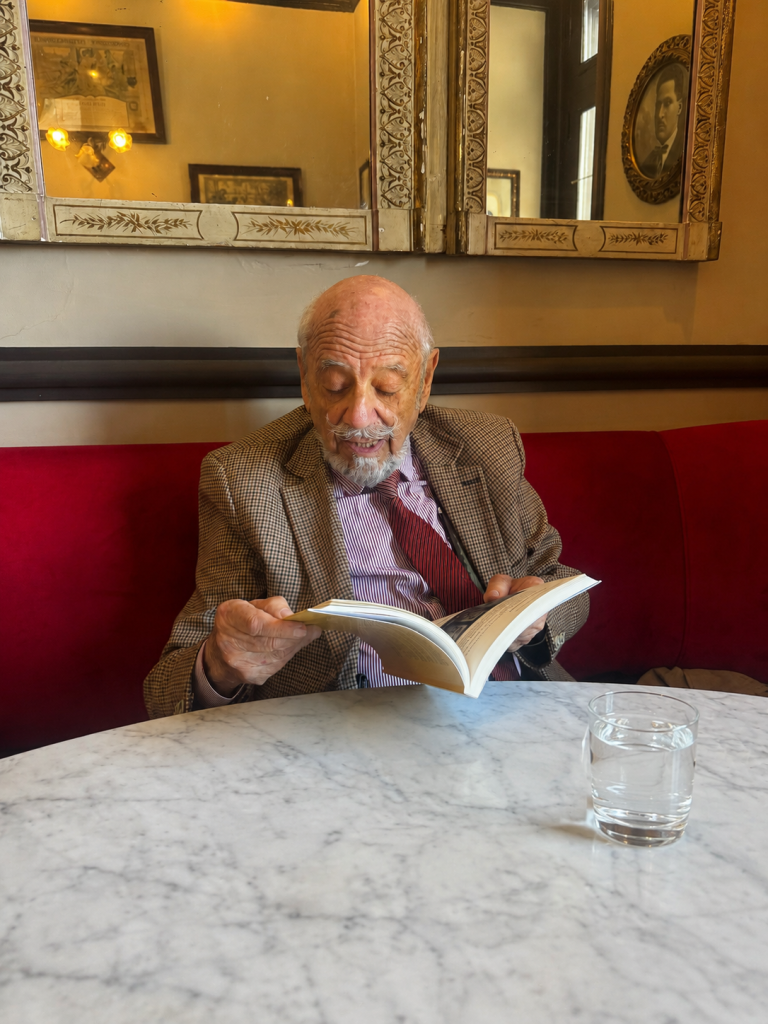
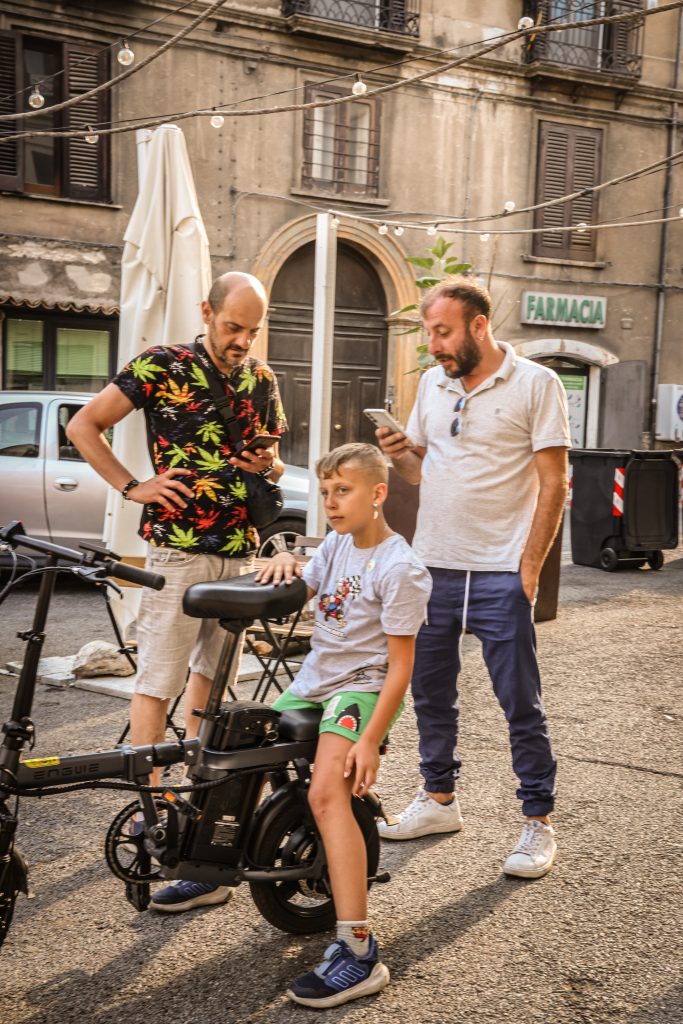
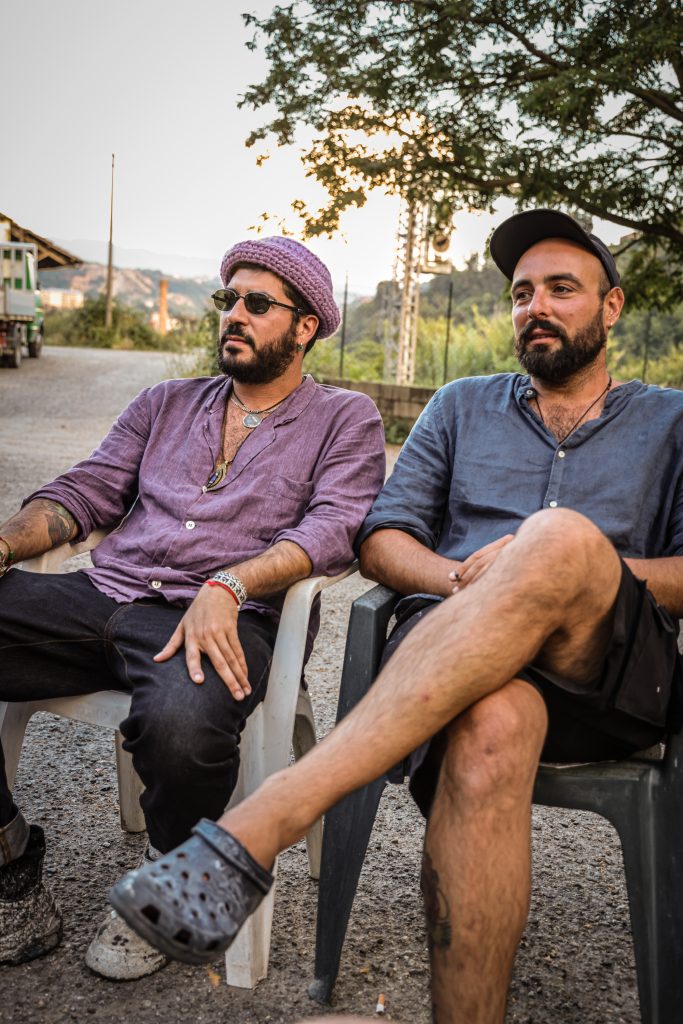
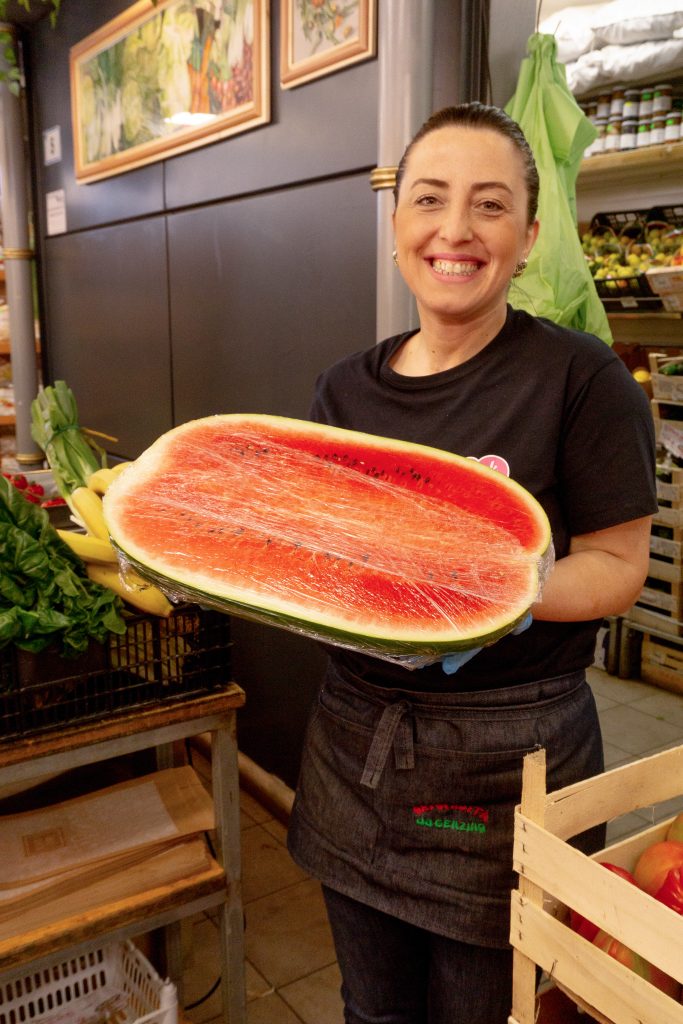
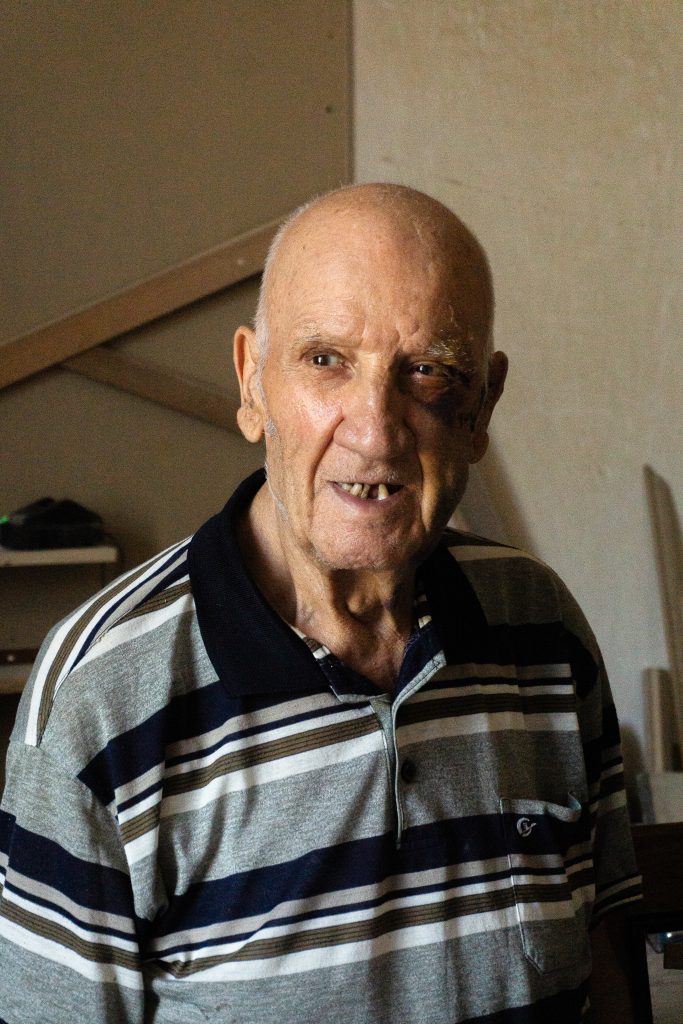
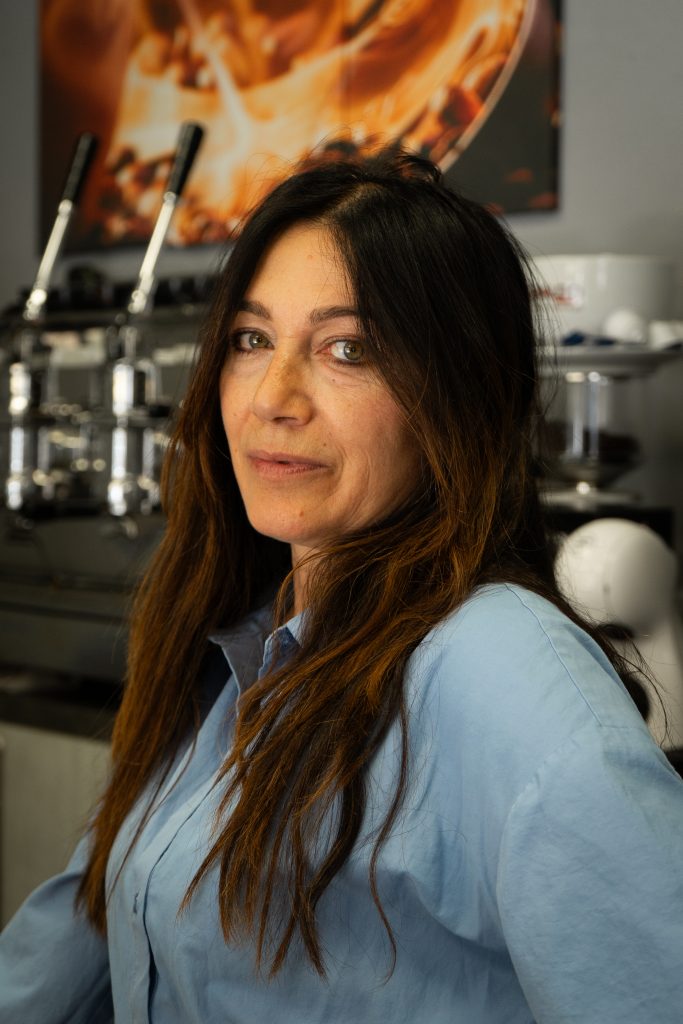
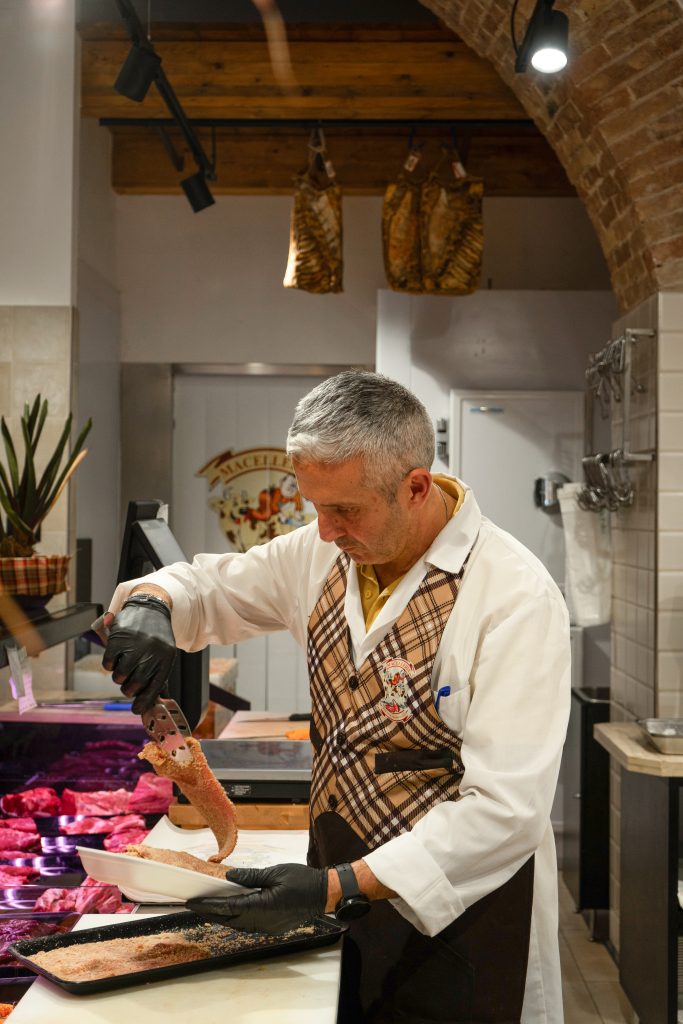
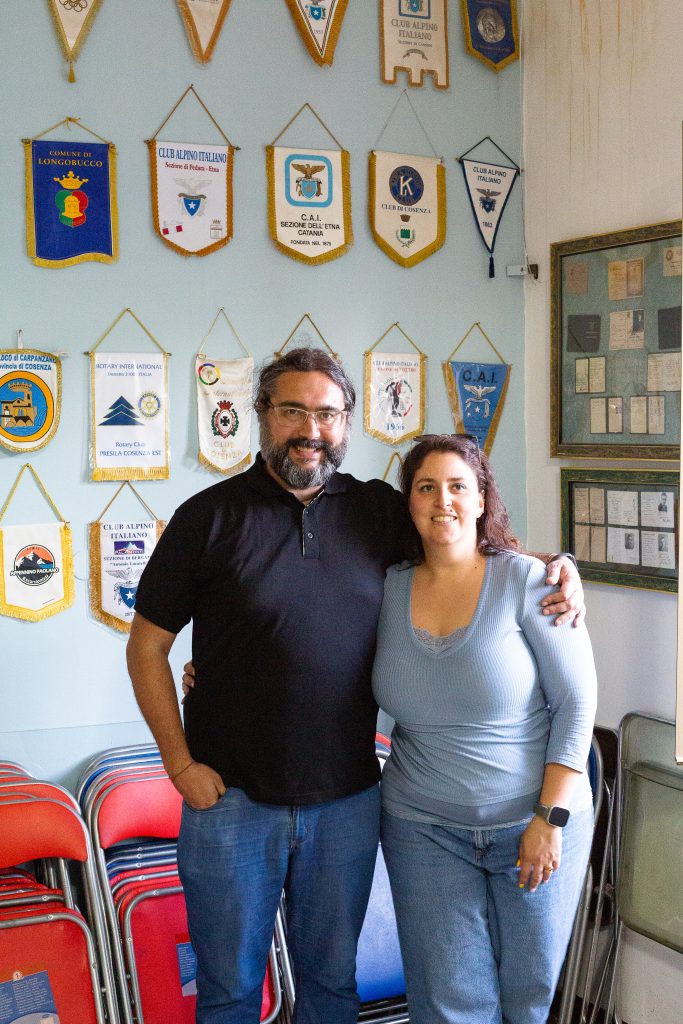
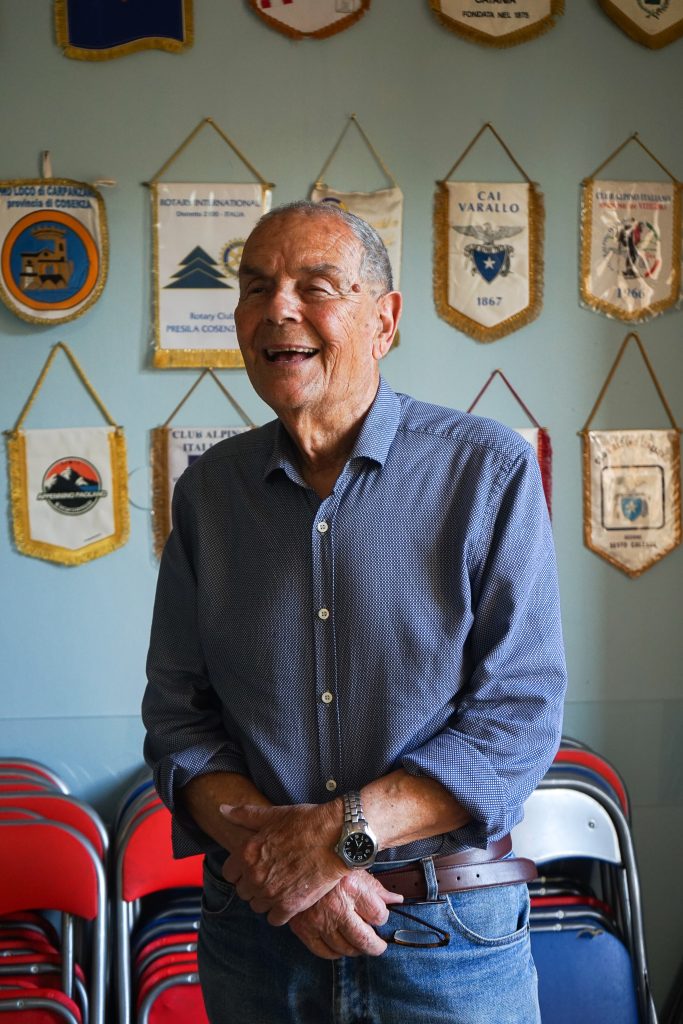
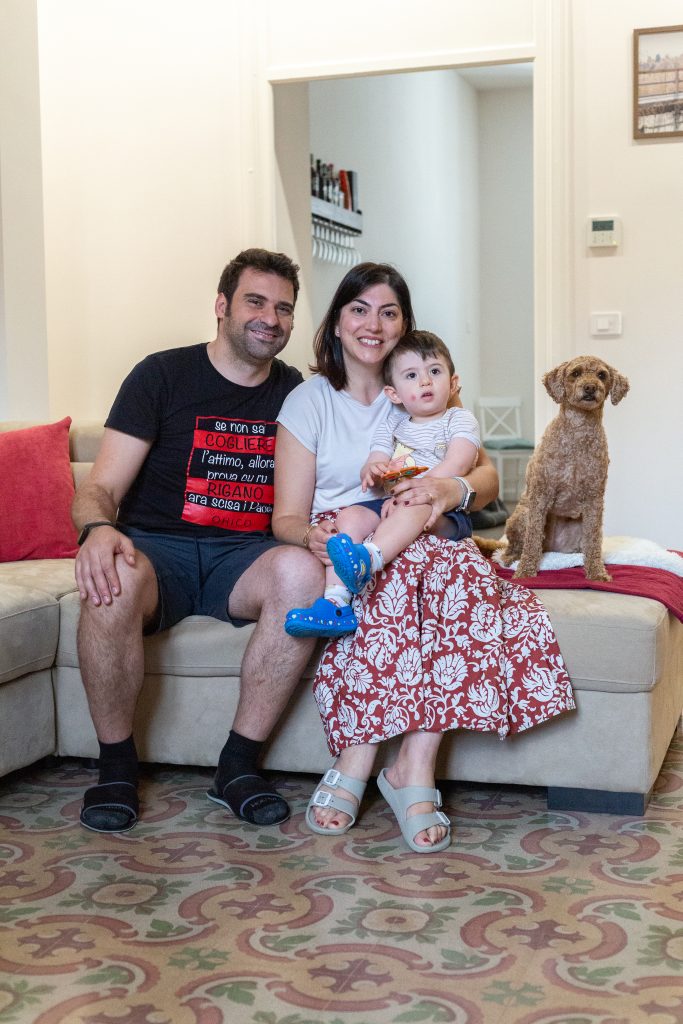
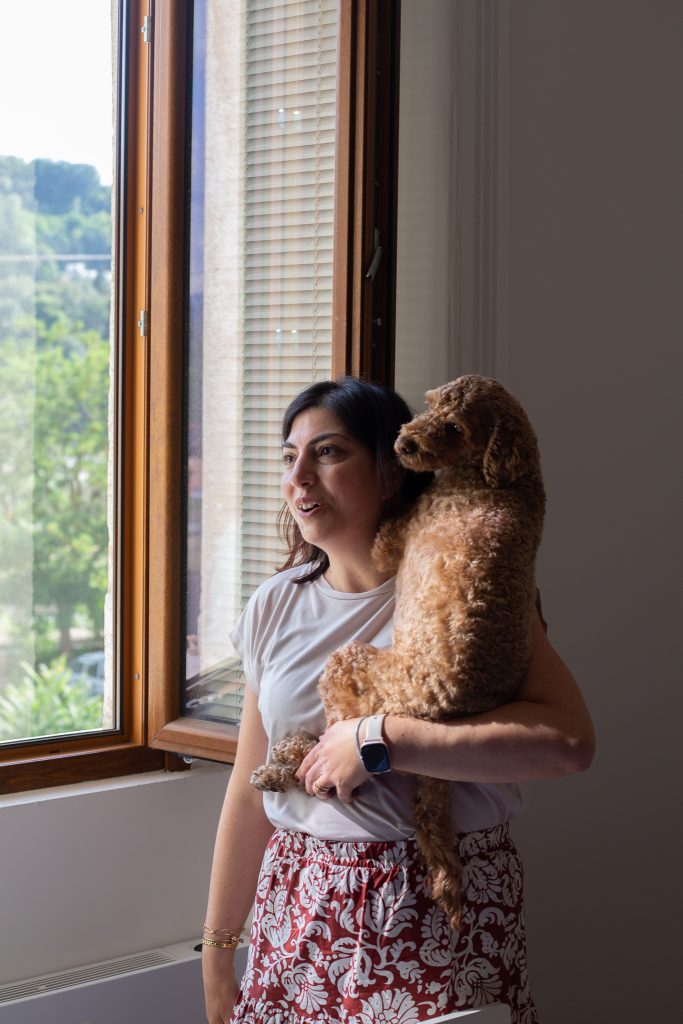
The residents were not simply subjects of documentation. Their voices, memories and everyday experiences became an essential part of the project. The students spoke with café owners and baristas, a butcher, a greengrocer, a carpenter, families, members of CAI Cosenza and the nuns of the Istituto Suore Minime di Nostro Signore Gesù Cristo.
Through these encounters, the neighbourhood emerged as more than a physical location. Personal stories connected buildings, streets and public spaces to memories of how Casali had changed over time.
Historical research met contemporary photography. Interviews met observations. Personal memories met traces found in the urban environment. Editorial design became a way of bringing these fragments together.
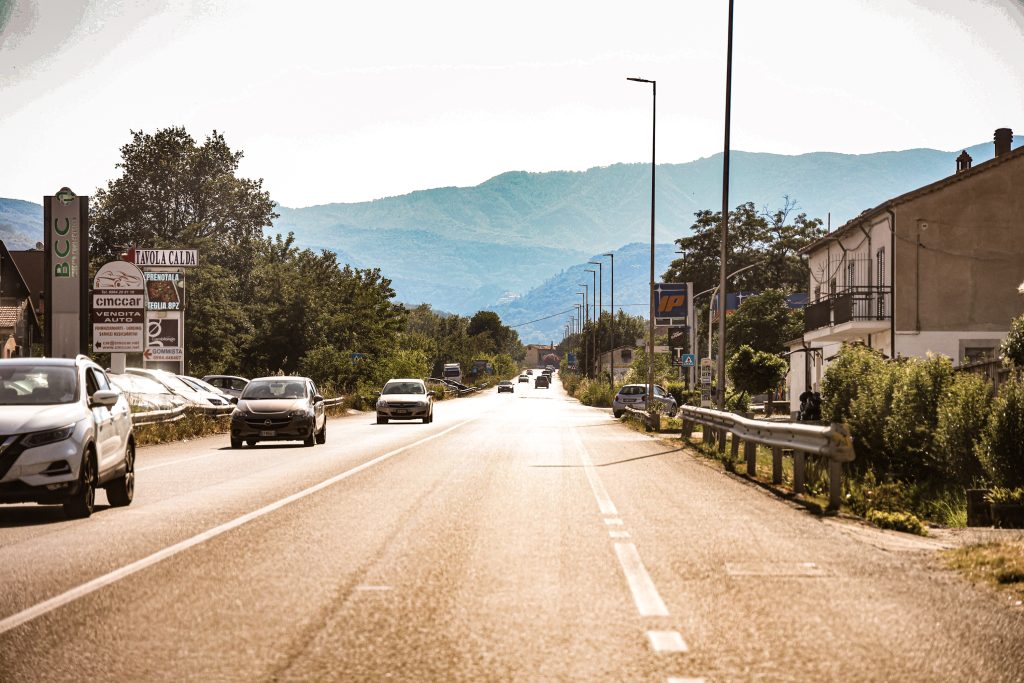
Lead type, ink and a rebuilt house
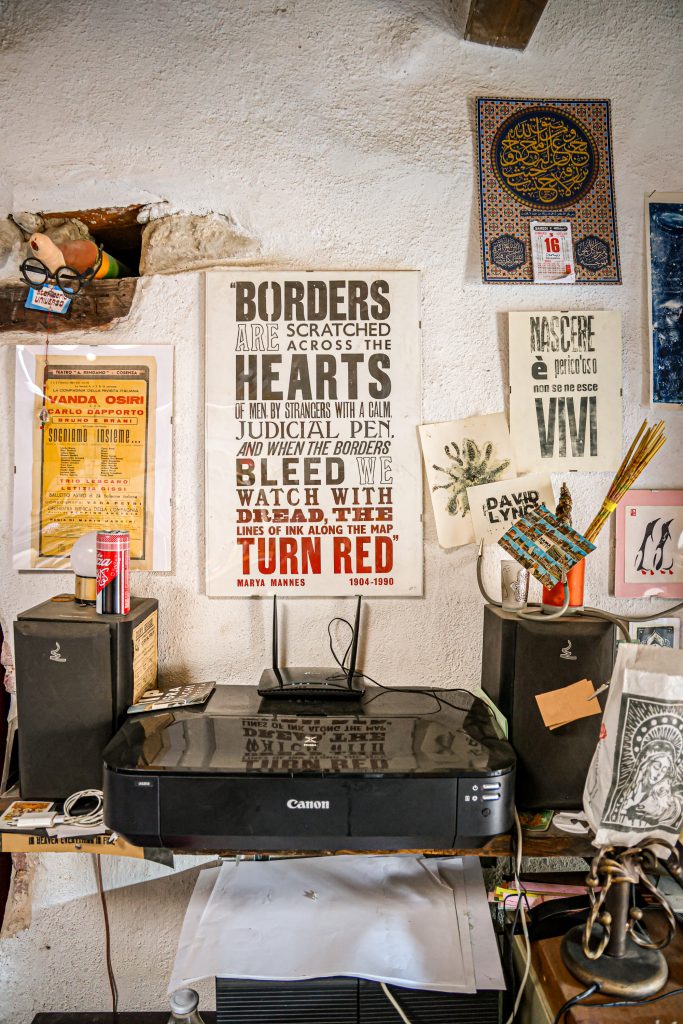
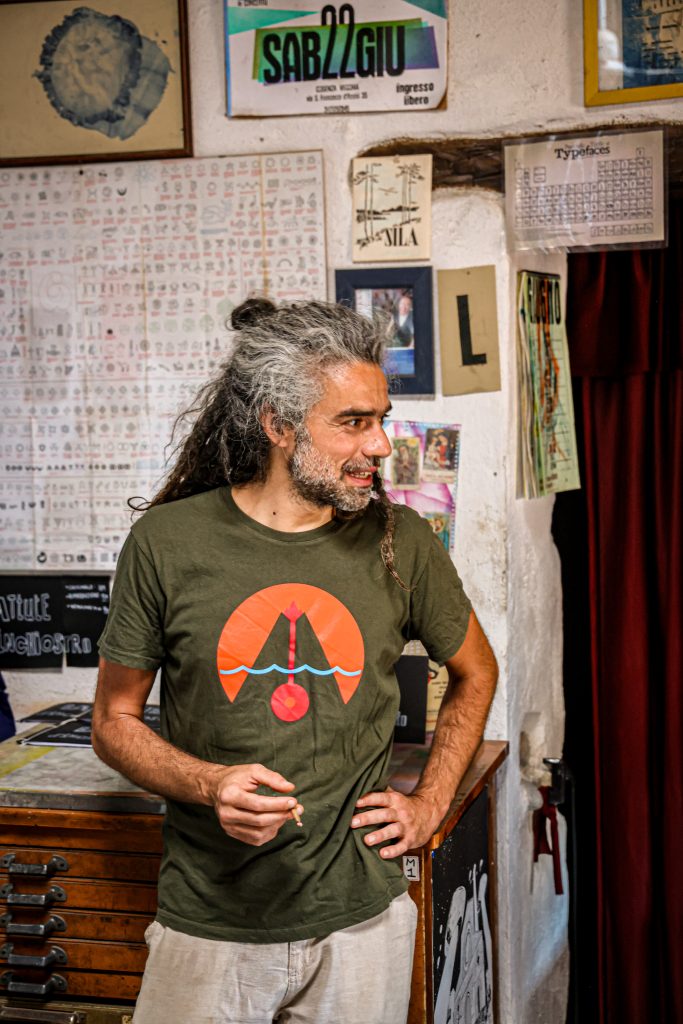
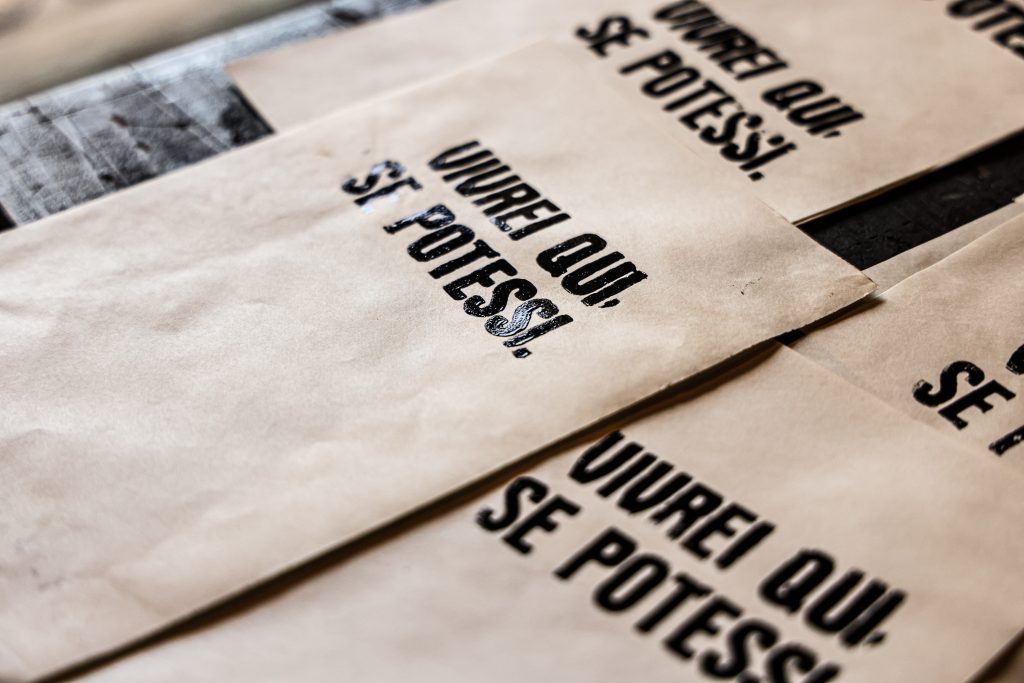
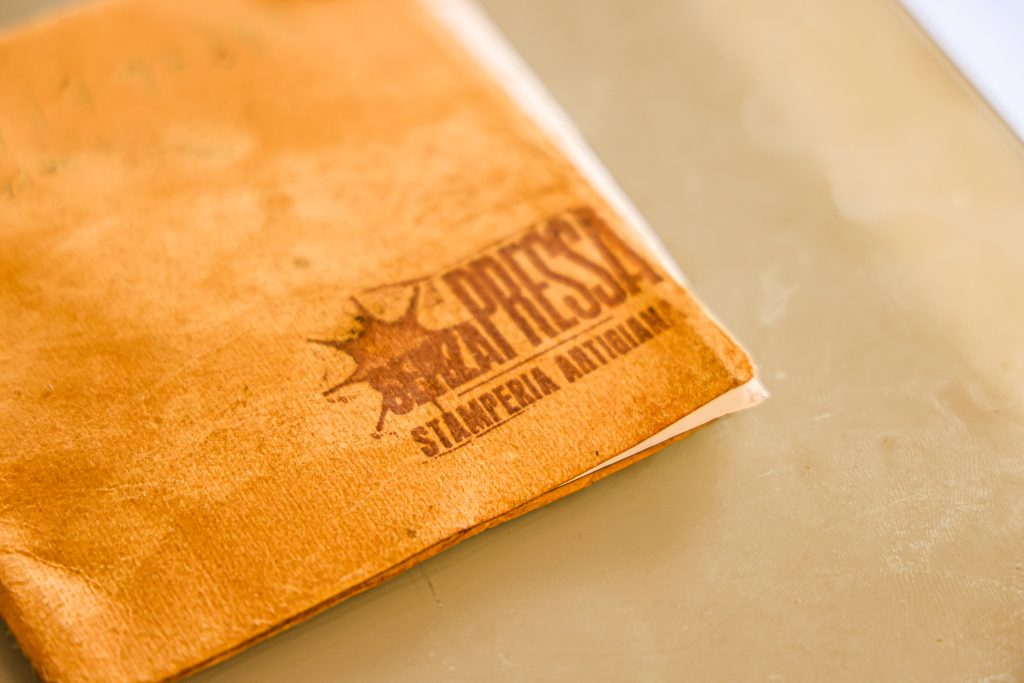
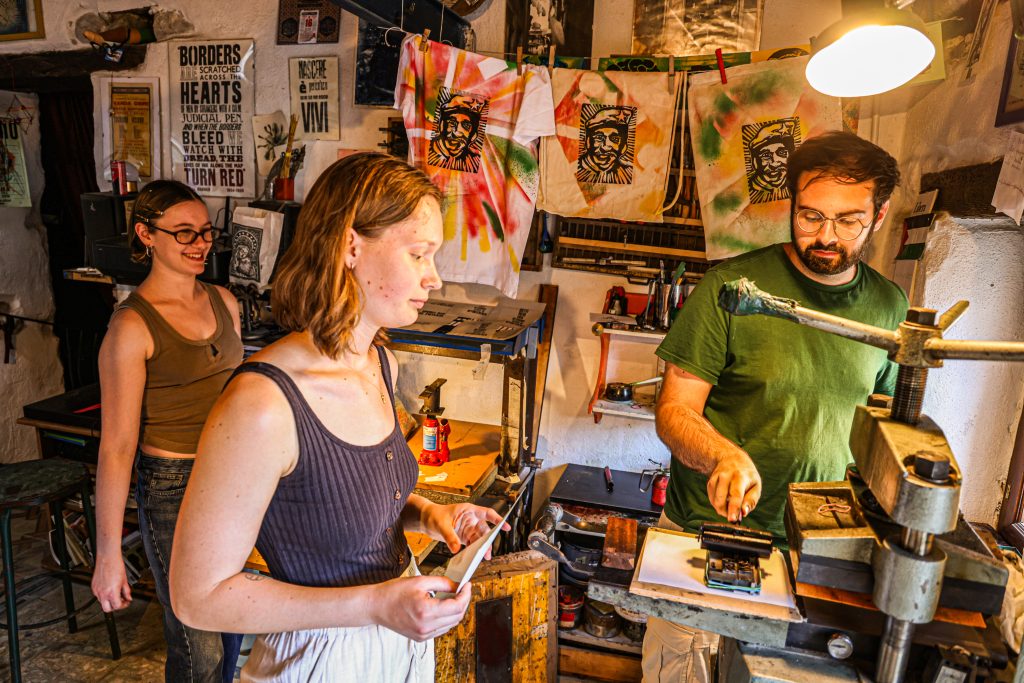
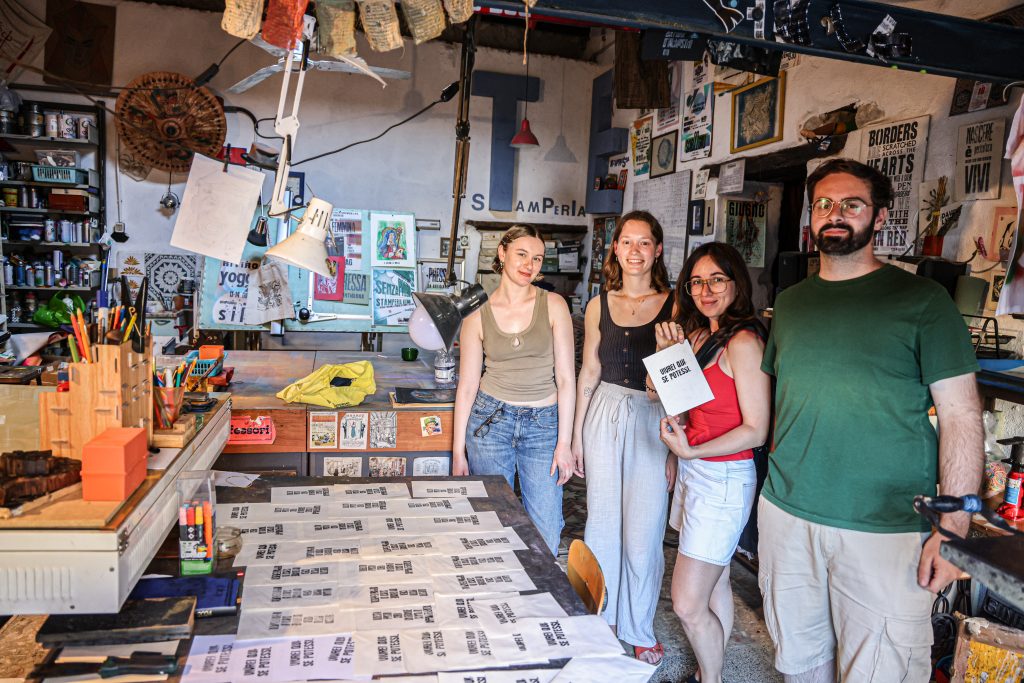
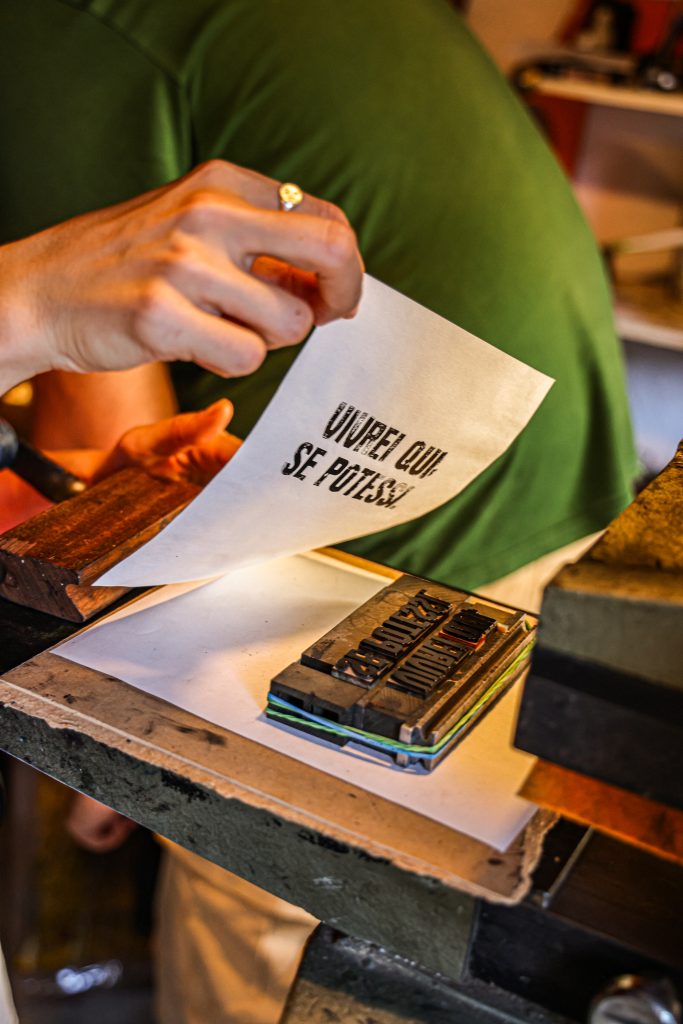
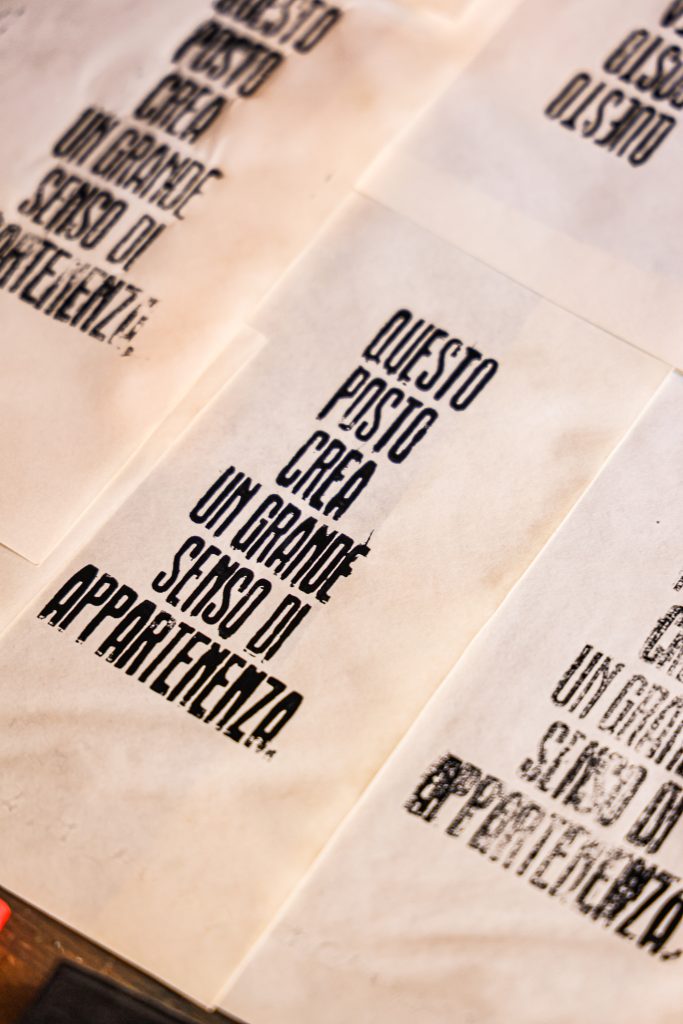
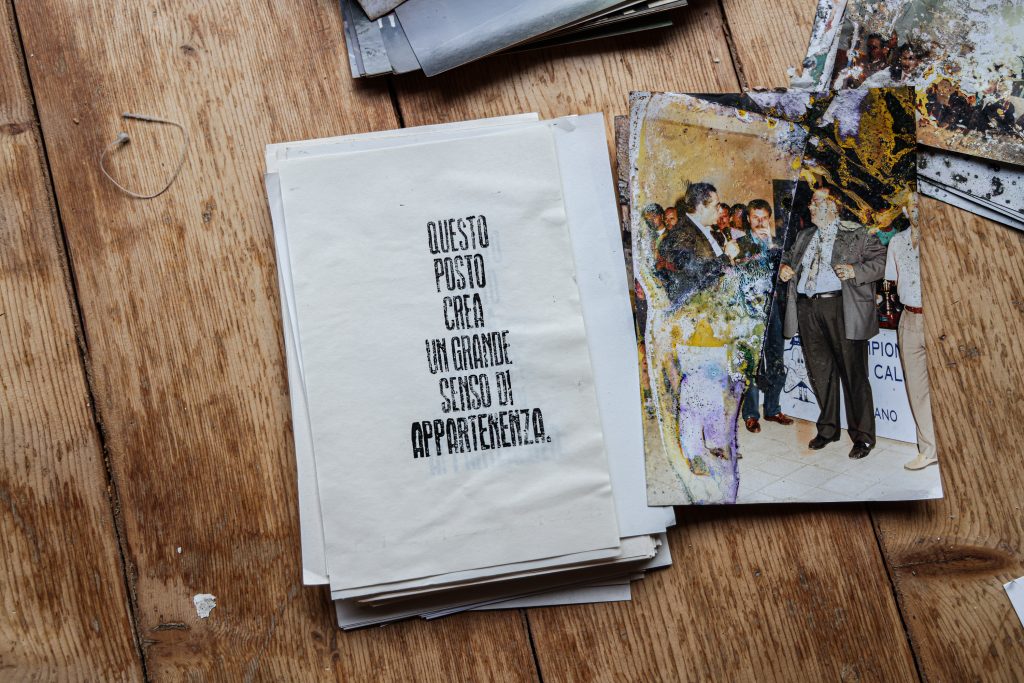
Another encounter took the group into the world of letterpress printing. In Cosenza’s historic centre, the students discovered Lorenzo Aristodemo, founder of Stamperia Senza Pressa and the yoga studio Il Giardino di Shiva. Both grew out of two buildings that Lorenzo rebuilt himself after finding it in ruins — transforming an abandoned structure into a place for making, meeting and sharing knowledge. Lorenzo welcomed the students with remarkable warmth and opened his printing studio to them. Working with movable lead and wood type, ink and paper, they were able to experience letterpress first-hand. Lorenzo’s rebuilt house also echoed one of the central questions of the project: what can happen when someone decides to stay, care for a place and give it a new purpose?
An unexpected archive
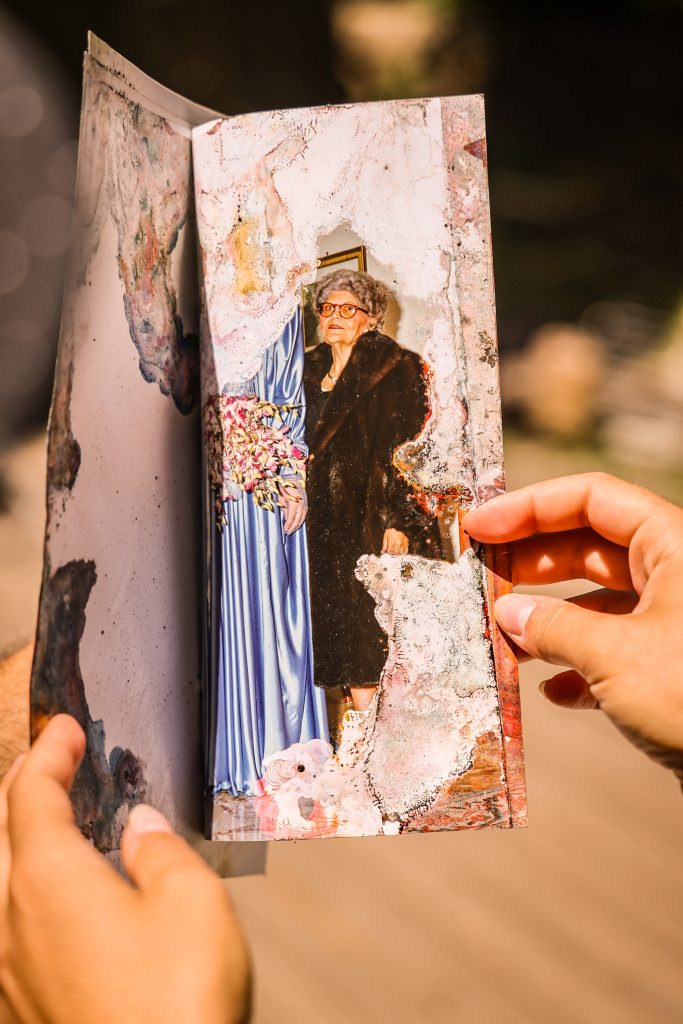
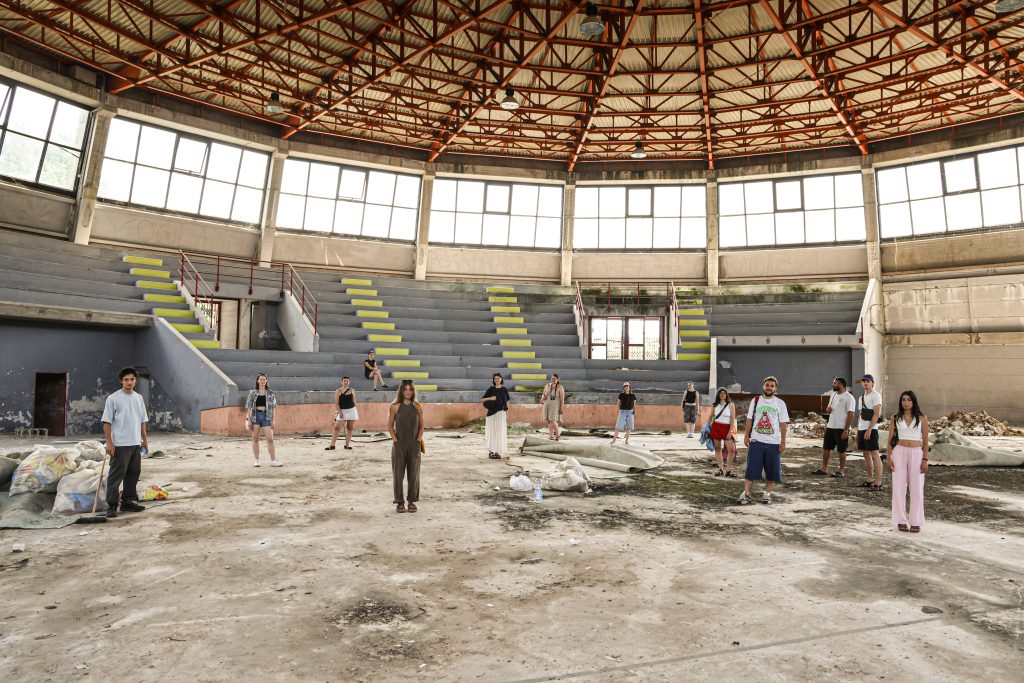
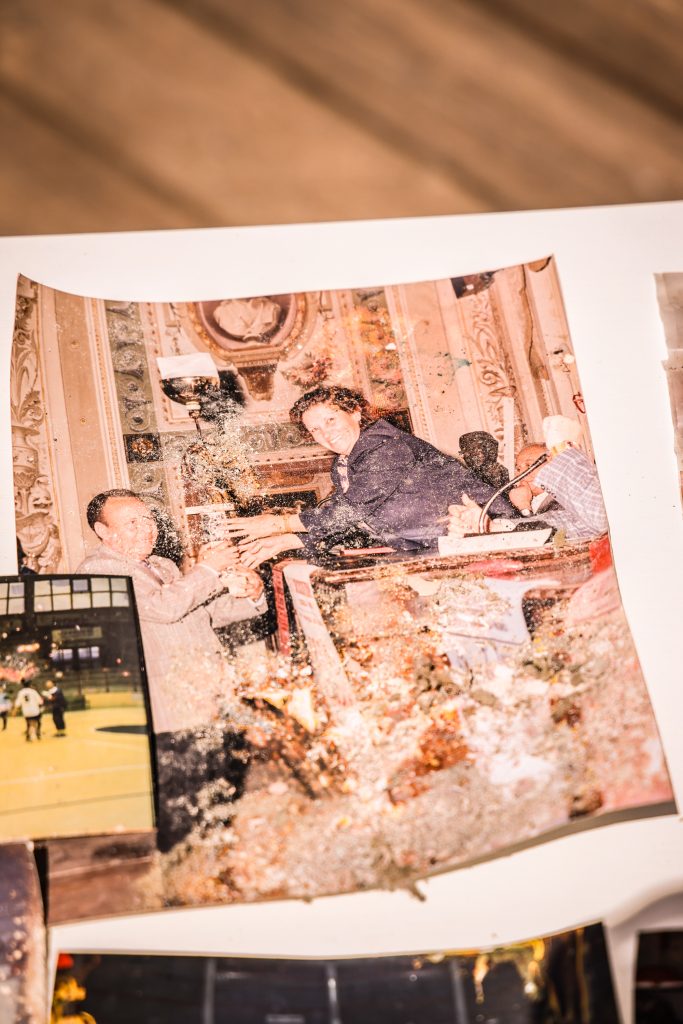
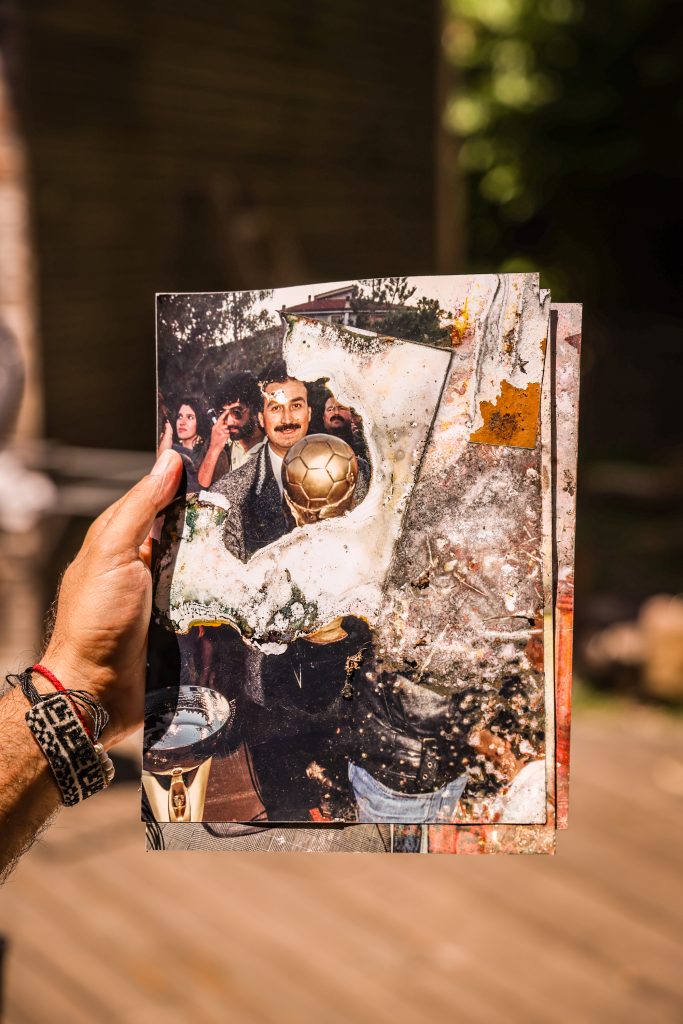
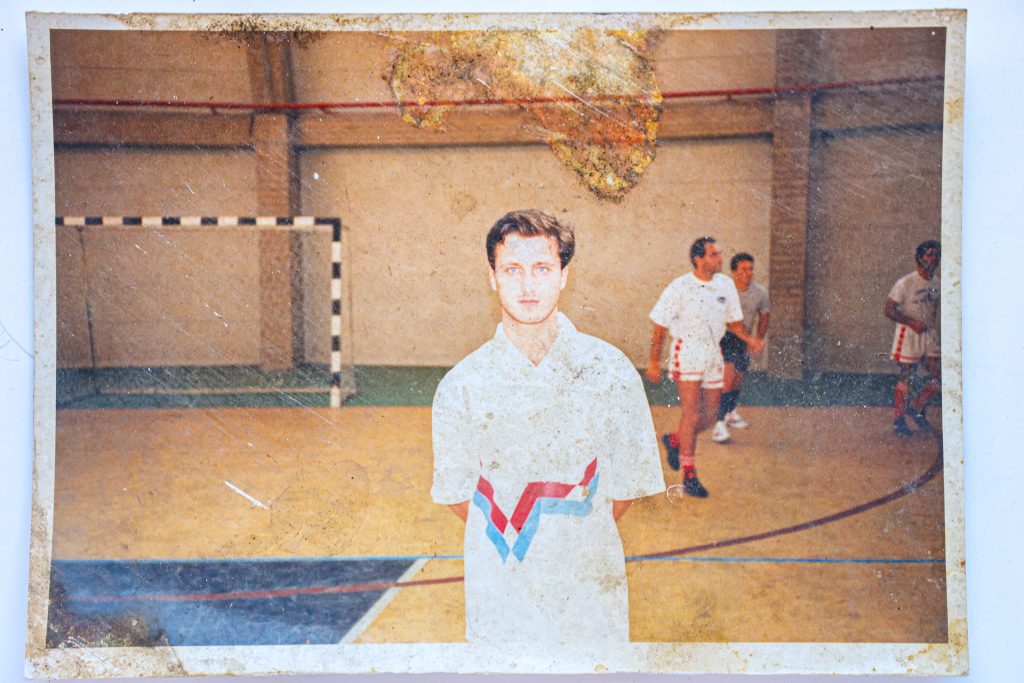
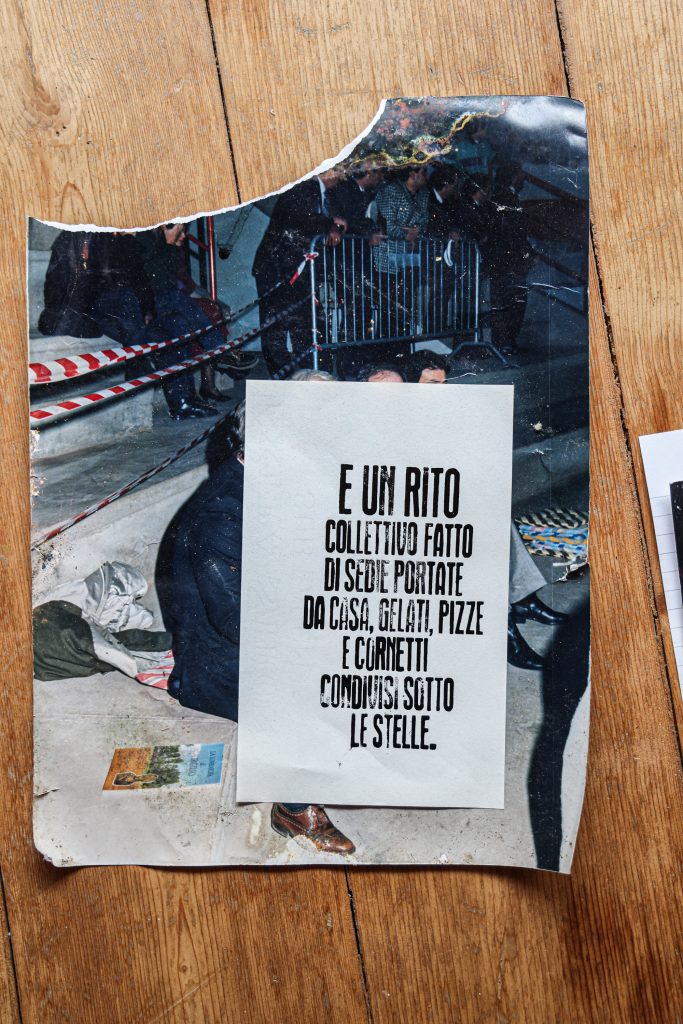
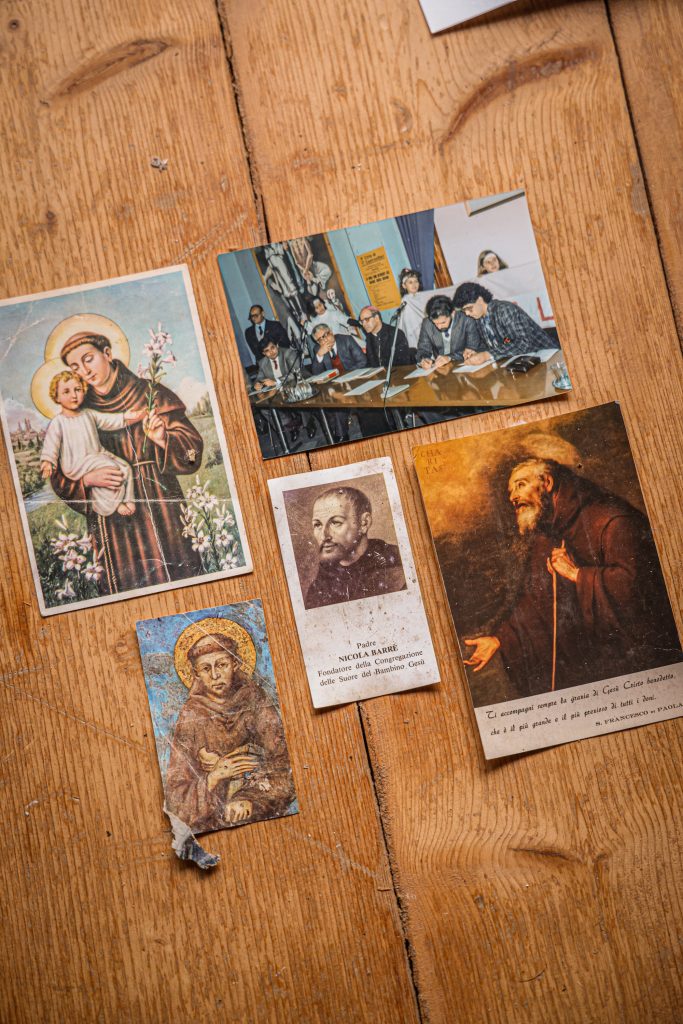
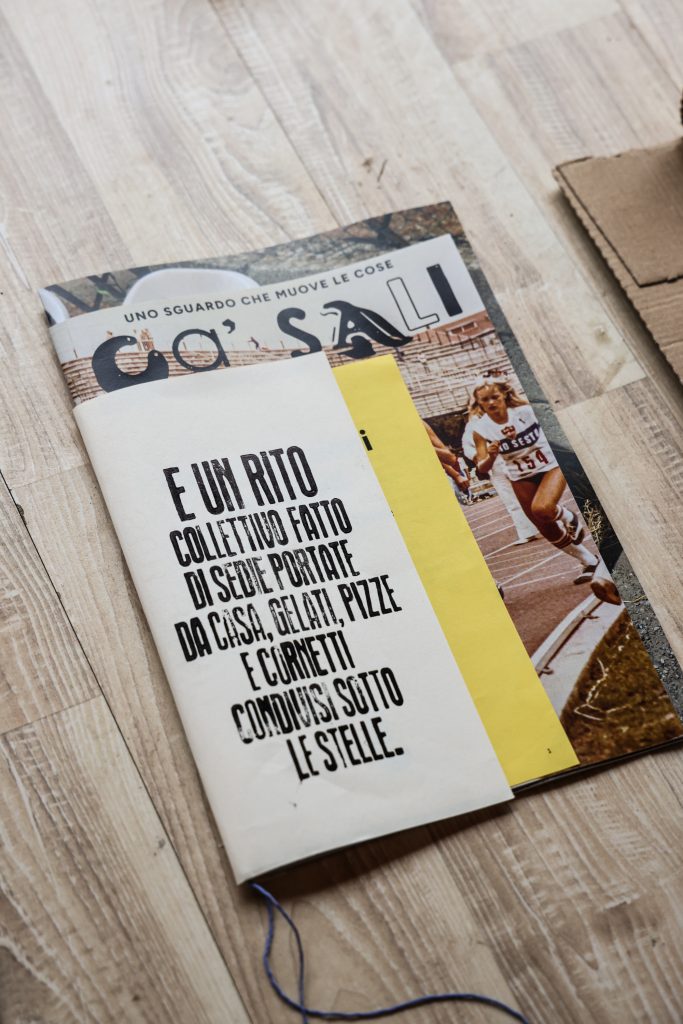
Sometimes an archive is found where nobody expects it. In an abandoned stadium in Cosenza, the students came across a pile of discarded material. Among it were photographs dating back to the 1970s and 1980s.
The stadium has been out of use for years and is slowly deteriorating. The photographs, however, revealed a very different past: young people gathering there, doing sports and filling the place with life. The images had survived almost by accident.
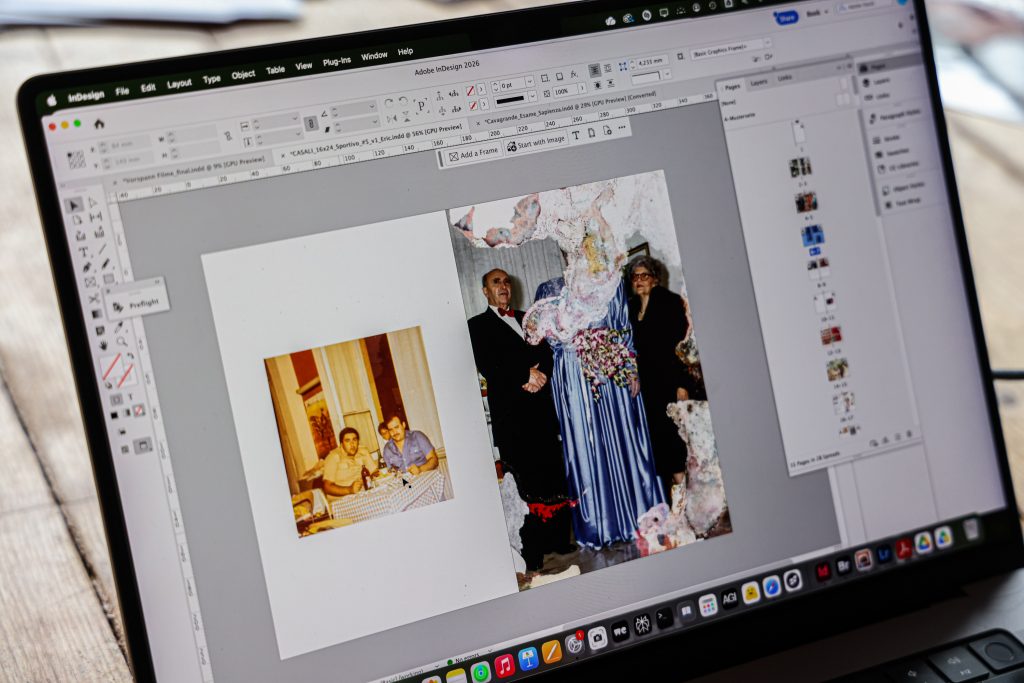
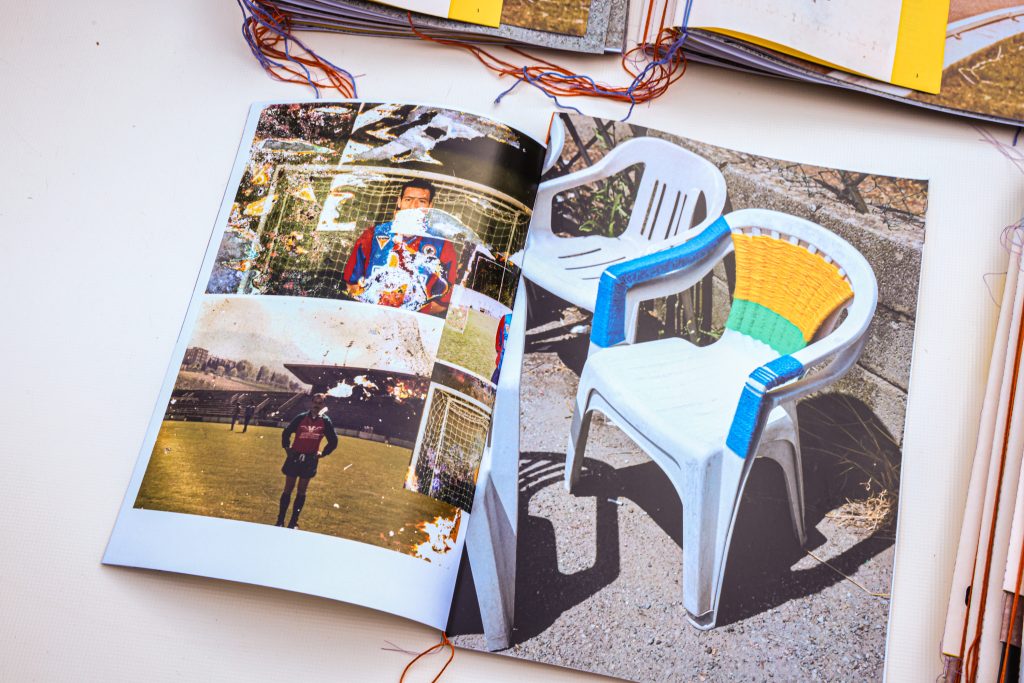
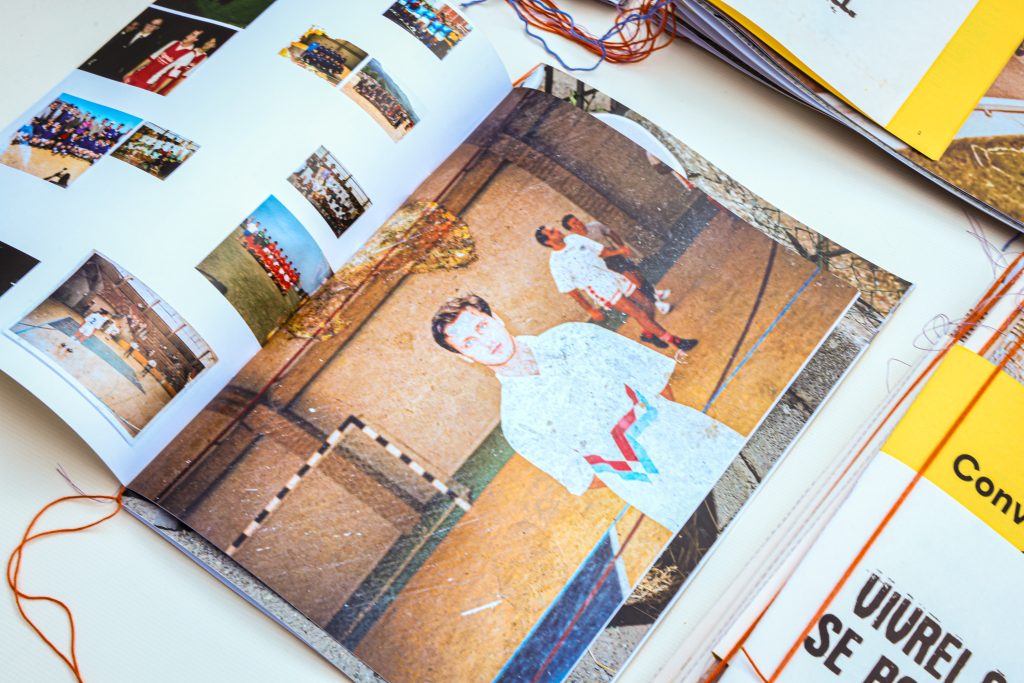
Rescued from what might otherwise have become waste, they became part of the publication. Placed alongside contemporary photographs, interviews and historical research, they offer glimpses into another period of Cosenza’s history. Their discovery became emblematic of the project as a whole: looking closely at what is already there, listening to the stories connected to a place and finding ways of making them visible again.
Publishing on site
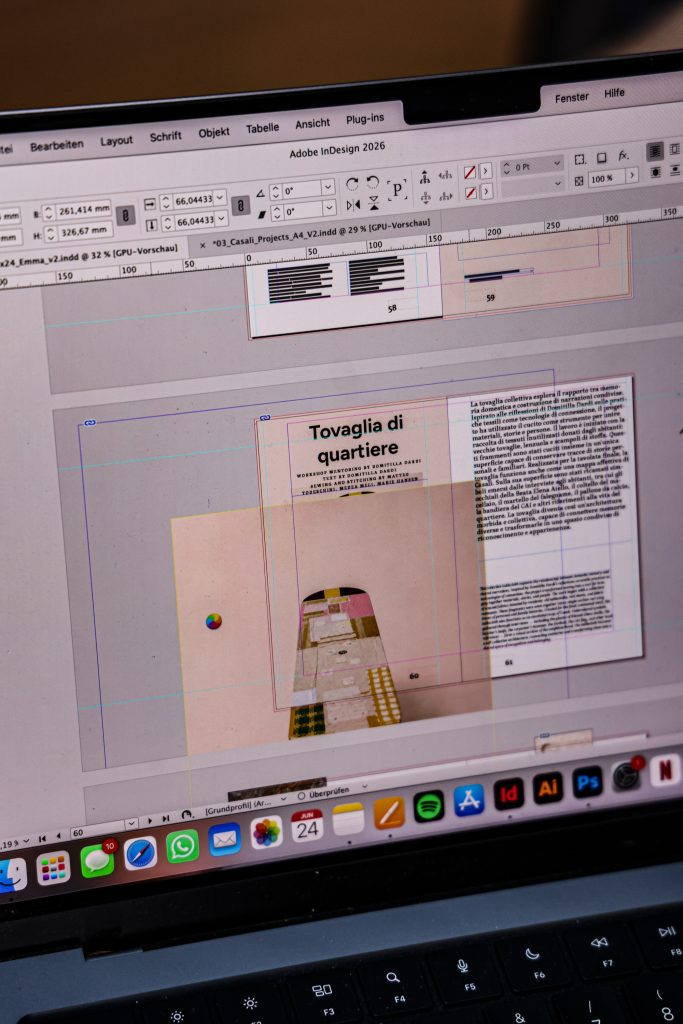
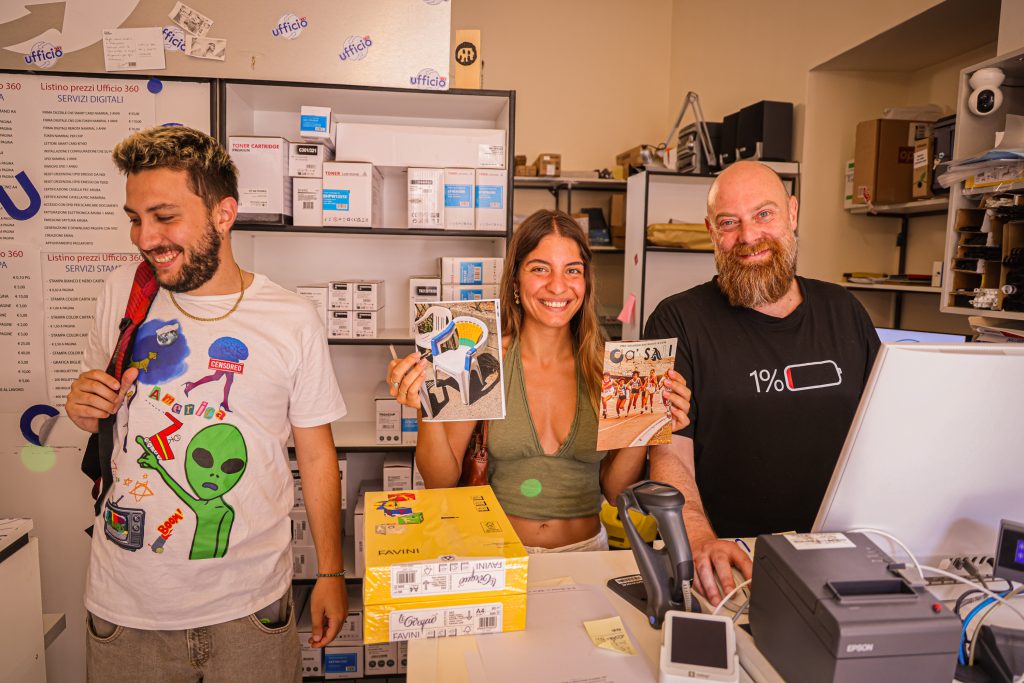
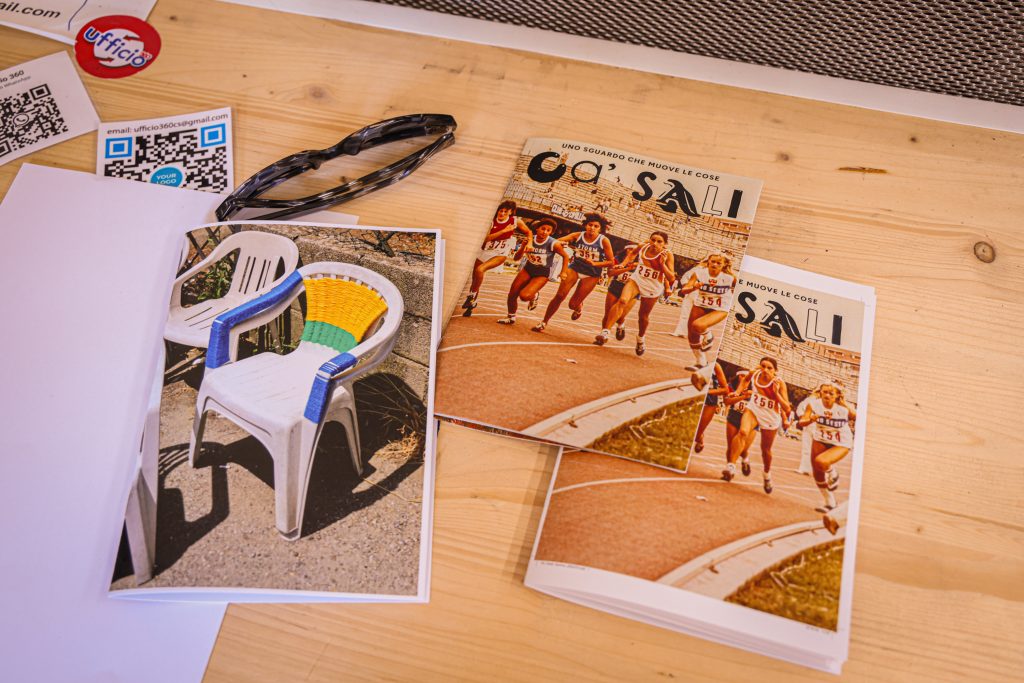
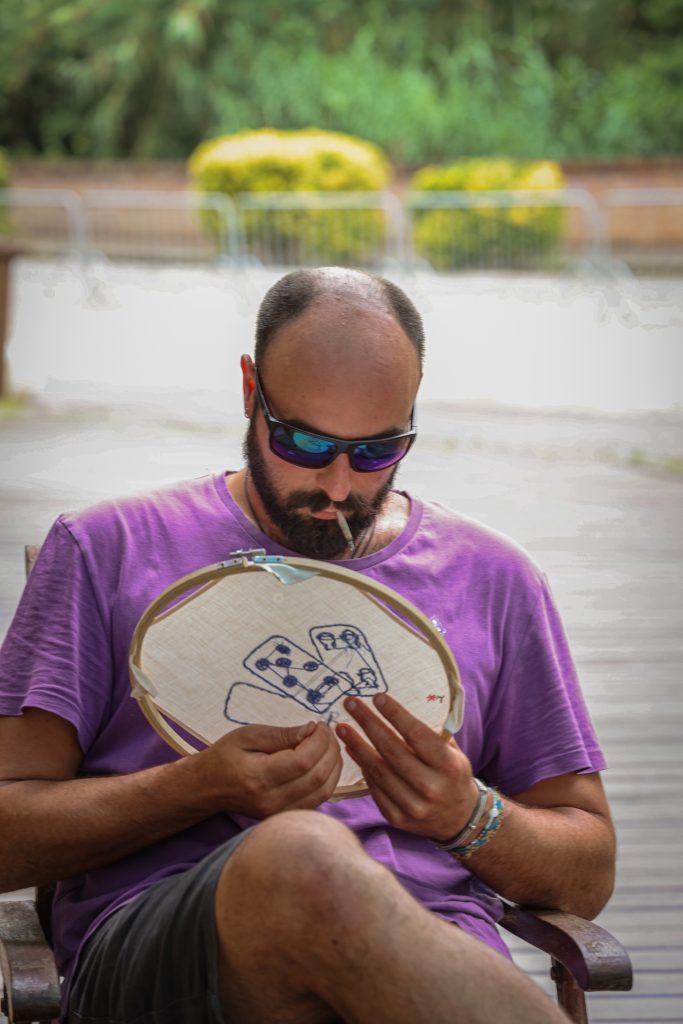
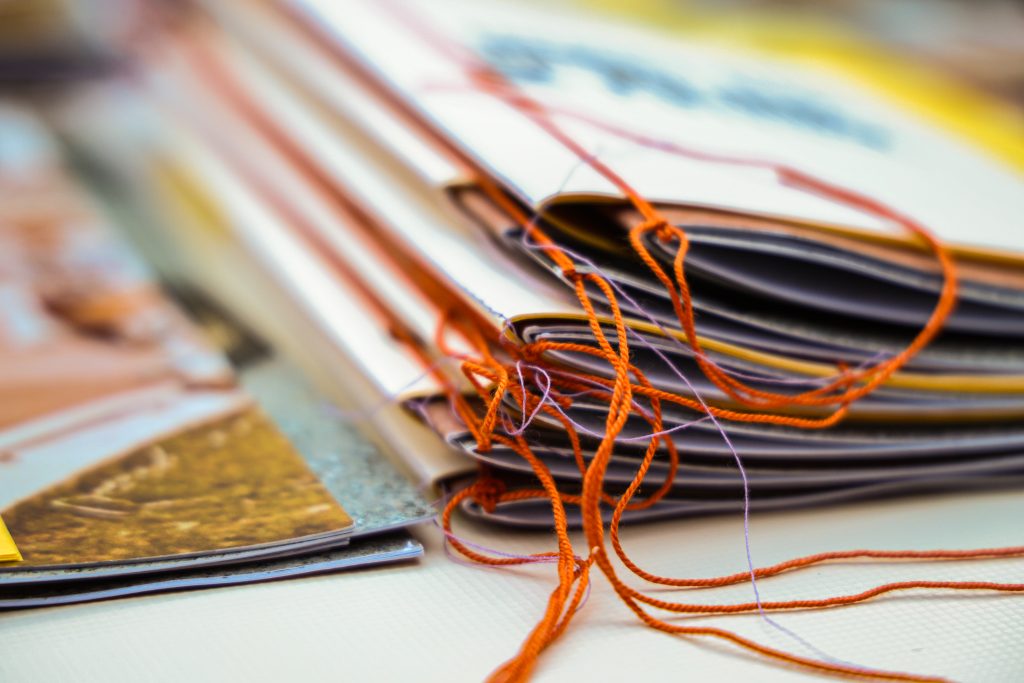
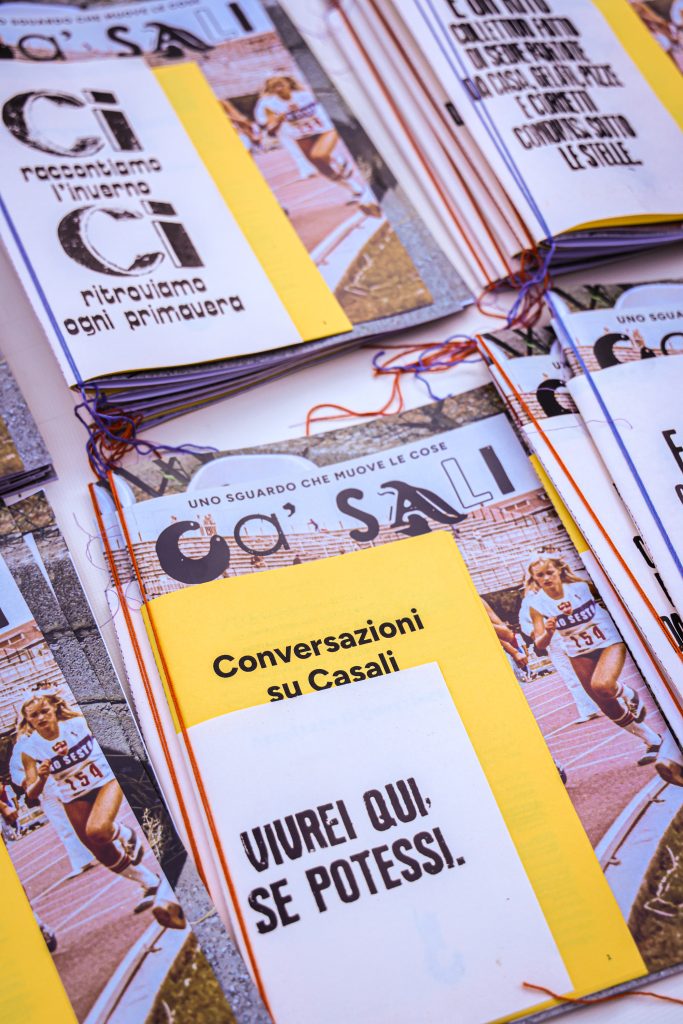
From the beginning, the aim was not simply to collect and document material. It was to publish it. During the workshop, the students developed a DIY publication directly in Cosenza. Research, interviews, photographs and observations were selected, edited and transformed into an editorial object under the immediate conditions of working on site.
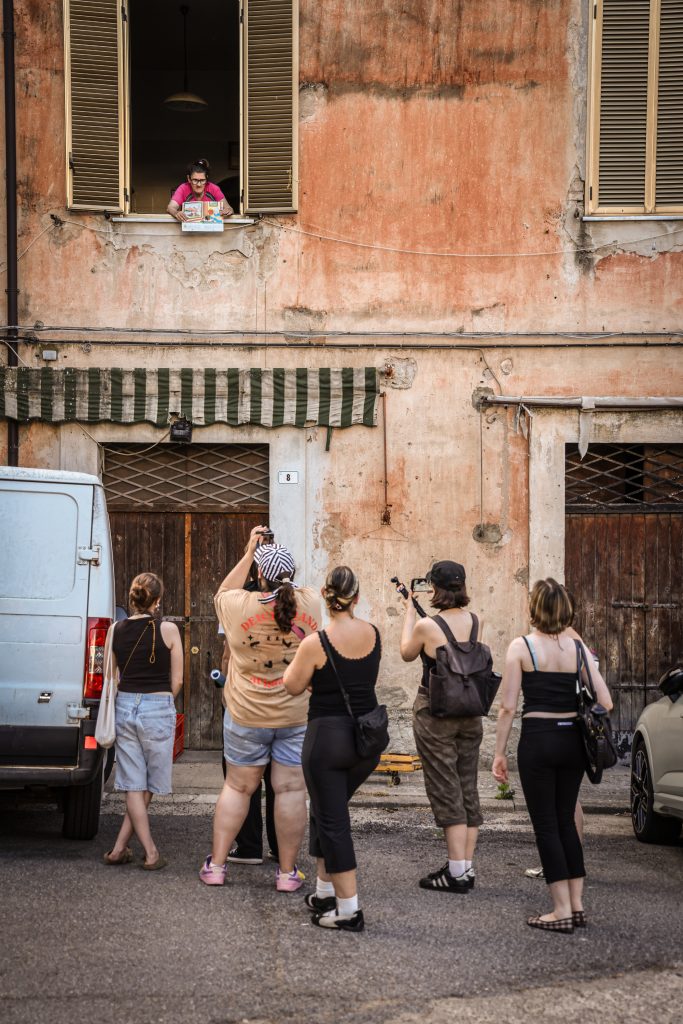
On the final day, copies were handed directly to residents of Casali. The material gathered in the neighbourhood did not simply leave Cosenza as research for a university project. A first publication was returned to the people and the place that had made it possible.
At the same time, the group worked on a more extensive print publication, scheduled for completion in September 2026. Developed collaboratively by students and teachers from Syracuse, Dortmund and Nuremberg, it brings together historical research, interviews, photography, editorial design, image and film editing and experimental craft practices.
For the Dortmund students, the project connected directly to their MA Editorial Design studies. Publishing was approached not as the final formatting of existing content, but as a process of research, selection, interpretation and authorship.
From Milan to Calabria
The collaboration itself began with a personal encounter. A special thanks goes to Roberto Maria Clemente from Turin, who established the connection that eventually led to Cosenza. Prof. Lars Harmsen met Clemente in Milan while giving a lecture at NABA – Nuova Accademia di Belle Arti, where Clemente teaches. Through Clemente and his close connection with Alessandro Montel, Director of the Accademia di Belle Arti “Rosario Gagliardi” in Syracuse, this encounter developed into the collaboration in Calabria.
What began as a personal connection has since become more permanent: FH Dortmund and the Accademia di Belle Arti “Rosario Gagliardi” have signed a partnership agreement enabling future student exchange between Dortmund and Syracuse. Cosenza is therefore not only the outcome of an international collaboration. It is also the beginning of new ones.
Issue Zero
In his introduction to the forthcoming publication, Alessandro Montel describes it as an “issue zero” — a first edition that could be followed by others and give continuity to the experience. It is an appropriate description for the project itself. Cosenza demonstrated that editorial design can begin long before a page is designed. It can begin by entering an unfamiliar neighbourhood and listening. By sharing a meal. By asking questions and taking photographs. By setting lead type by hand. Or by finding forgotten photographs in an abandoned stadium.
Publishing gives these fragments a new context. It brings different times, voices and perspectives onto the same page and can preserve something that might otherwise disappear. In Cosenza, editorial design became a way of reading a place — and of returning some of its stories to the people who live there. Perhaps the question posed at the beginning of the publication therefore remains the most fitting conclusion:
What if the greatest form of art were simply having time for one another?
Project & Credits
The Cosenza project was developed within the MADE Program / NOMAD Program of the Accademia di Belle Arti “Rosario Gagliardi”, Syracuse, in collaboration with FH Dortmund – MA Editorial Design, TH Nürnberg Georg Simon Ohm, La Rivoluzione delle Seppie / Cosmo Cosenza and the Comune di Cosenza.
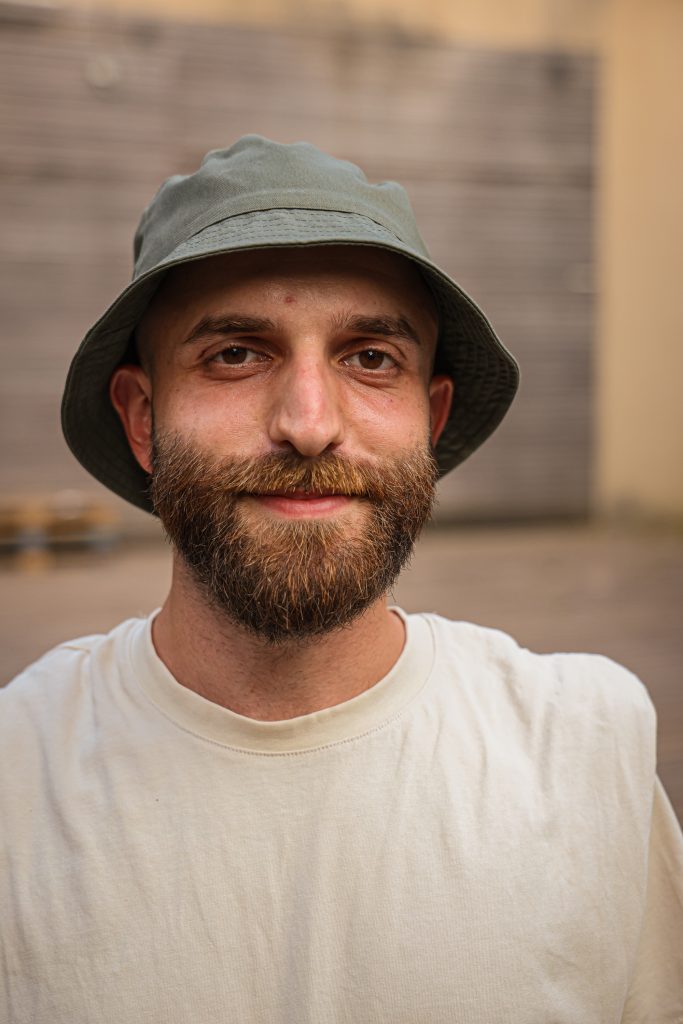
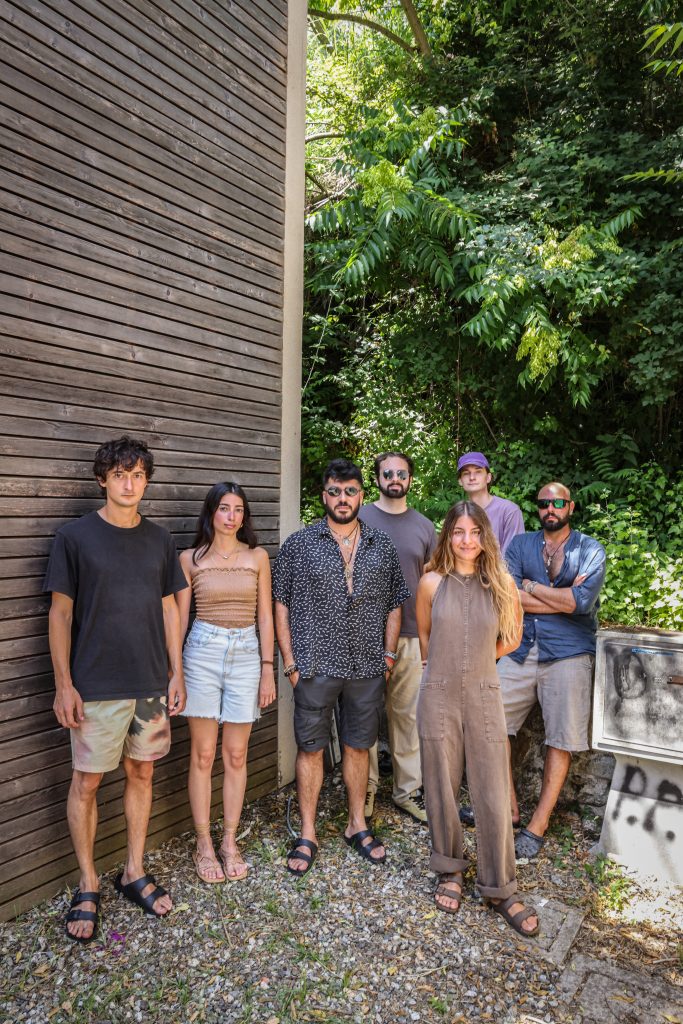
FH Dortmund , Project Lead & Design Supervision: Prof. Lars Harmsen . Students: Emma Mechtel, Fiona Stühmer, Jana Exner, Leonie Hogefeld, Marie Hansen, Marie Nieddu. TH Nürnberg Georg Simon Ohm Students: Anastasiia Bushueva, Nele Nentwig. Accademia di Belle Arti “Rosario Gagliardi”, Syracuse , Alessandro Montel, Director / Carlo Alberto Giardina, Professor / Domitilla Dardi, Professor / Giuseppe Grant, Professor / Coordination: Niccolò Benetton, Roberta Esposito / Students: Eric Silverio, Lamberto Marino, Matteo Todeschini, Monica Palazzolo, Medea Meli, Pietro Rigamonti (we all love you!!!)
Special thanks to Roberto Maria Clemente for establishing the connection that led to the collaboration, to architect Giuseppe Bruno for his support in Cosenza, and to Lorenzo Aristodemo for his extraordinary hospitality and for opening Stamperia Senza Pressa to the students. Thanks also to La Rivoluzione delle Seppie, the Comune di Cosenza, and everyone who contributed their time, knowledge and energy. And a big big special thanks to Carlo for the magic vibes ever!
Above all, sincere thanks go to the residents of Casali for their openness, hospitality, stories and trust.
Workshop Calabria, Cosenza
, June 15–27, 2026
Print publication
: September 2026
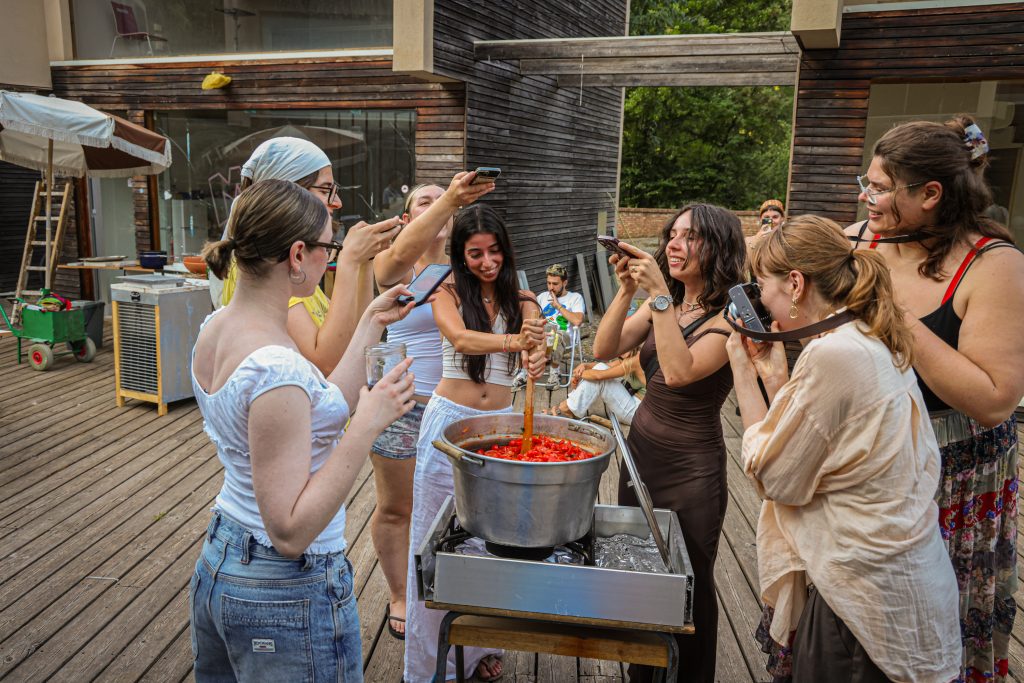
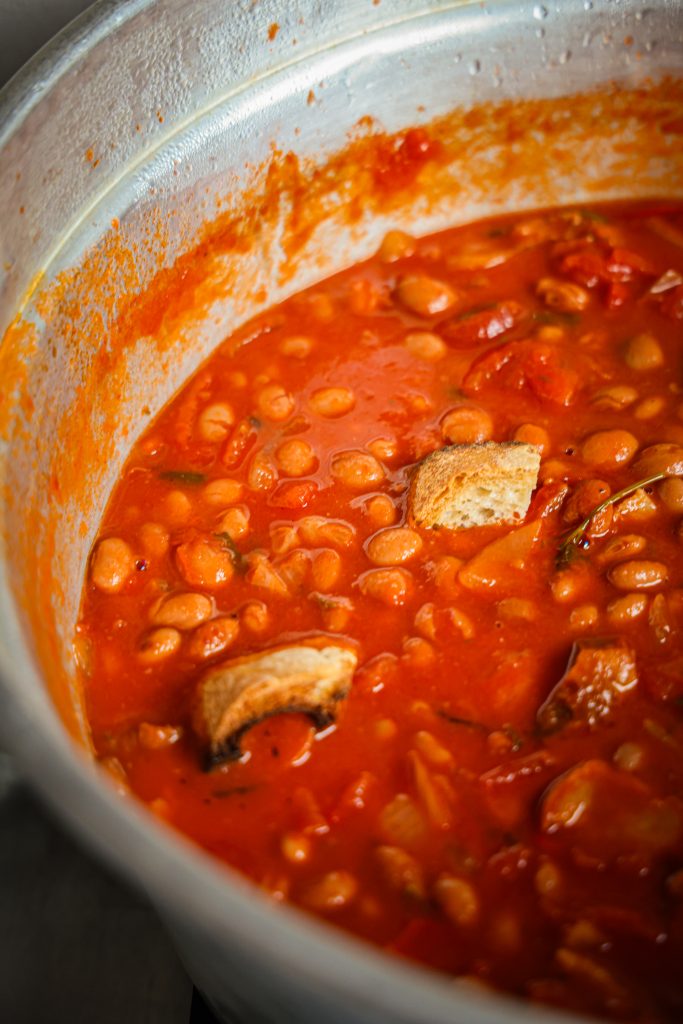
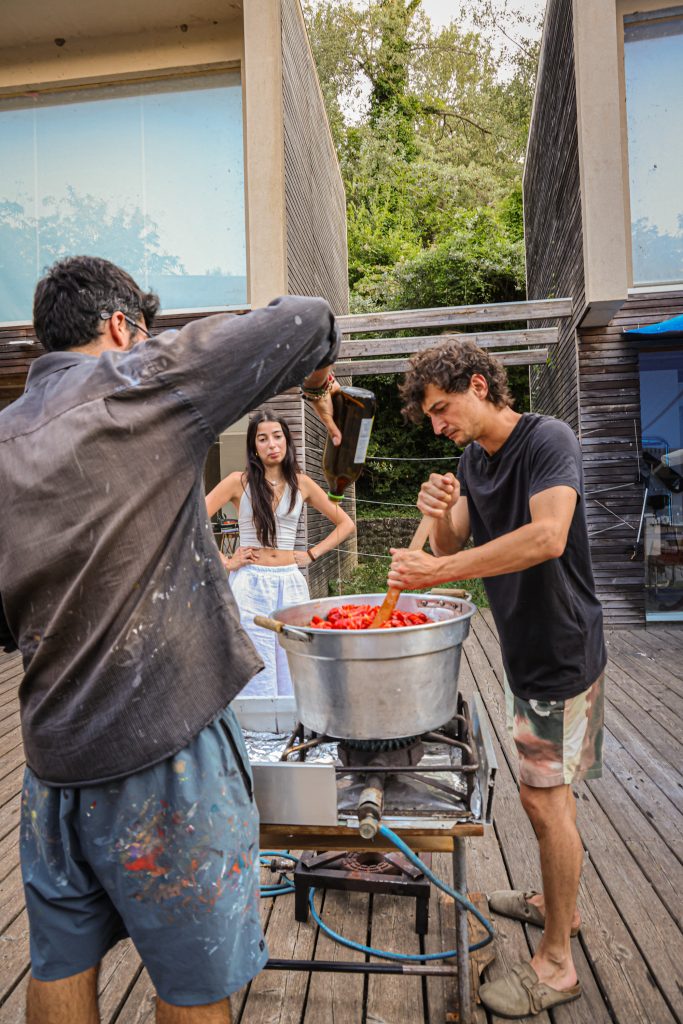
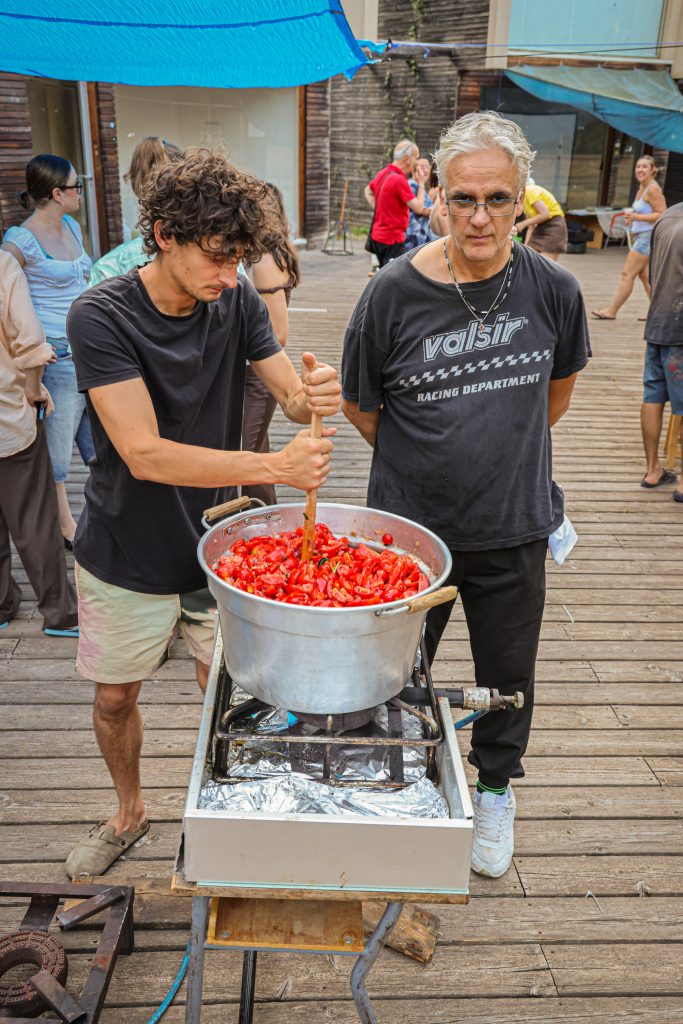
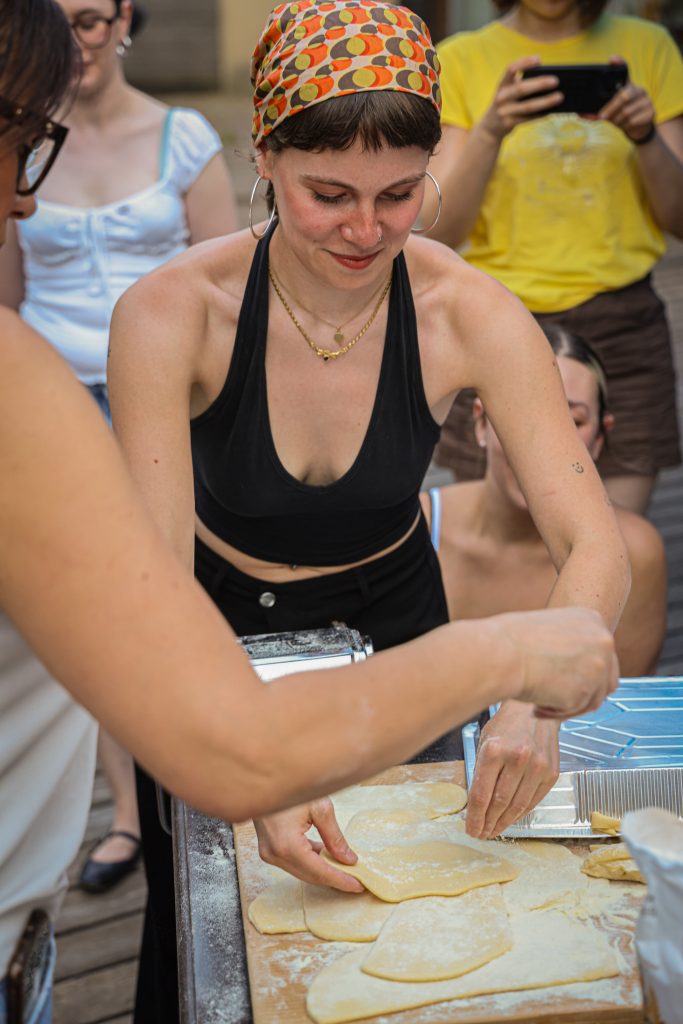
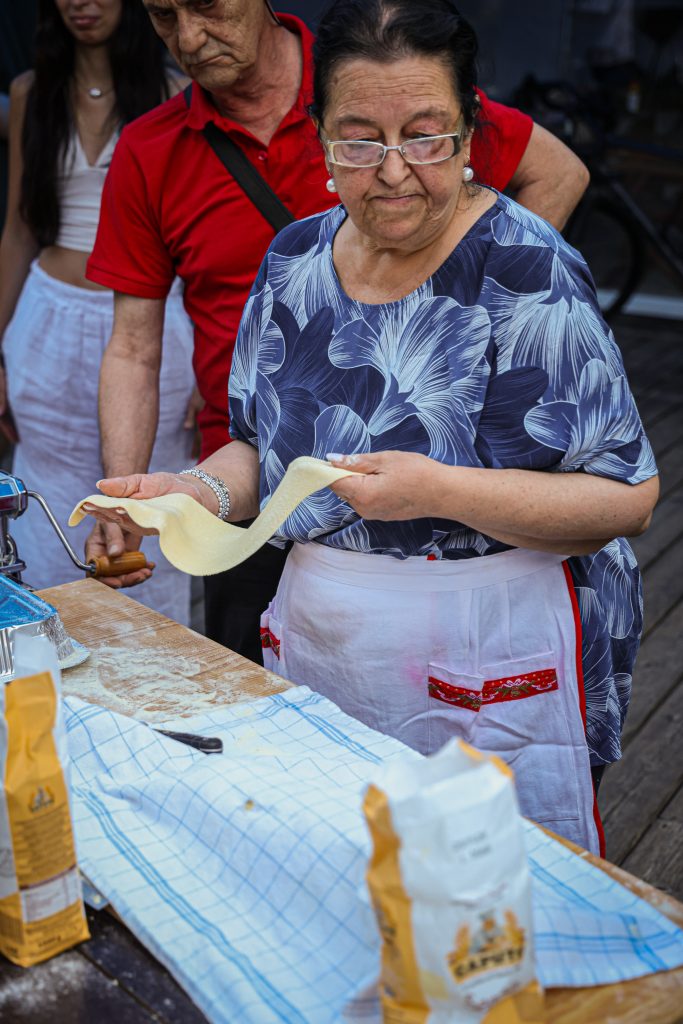
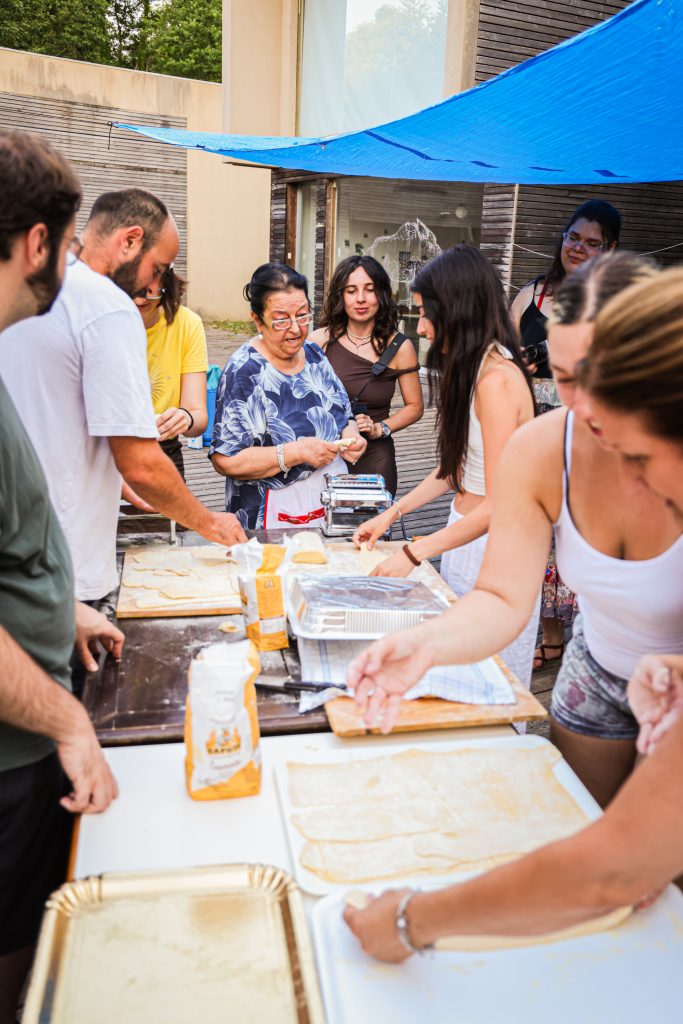
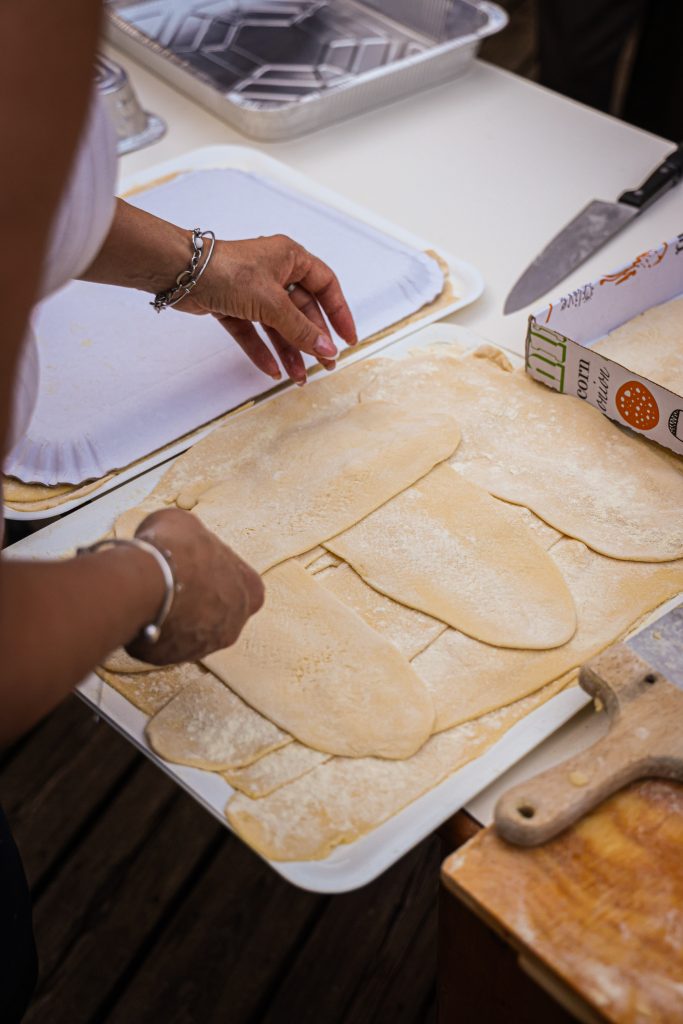
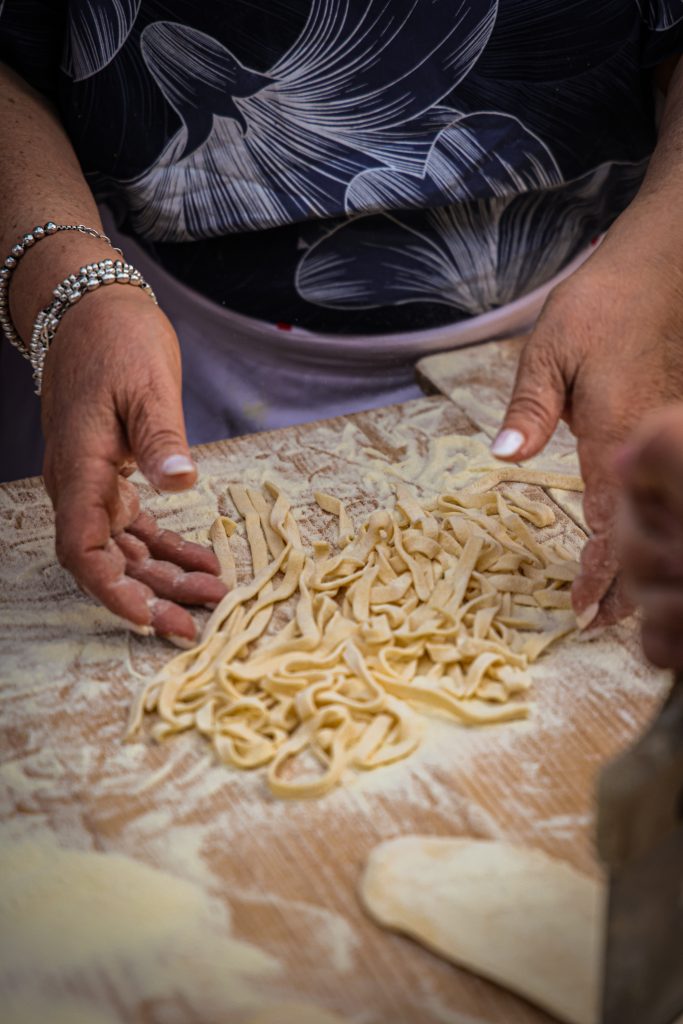
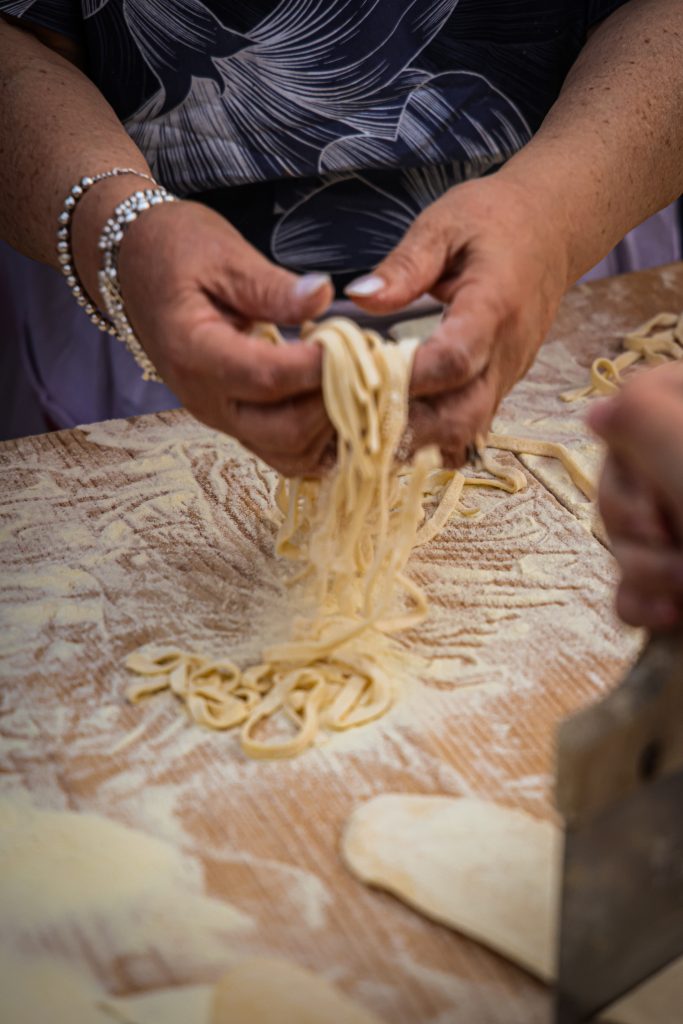
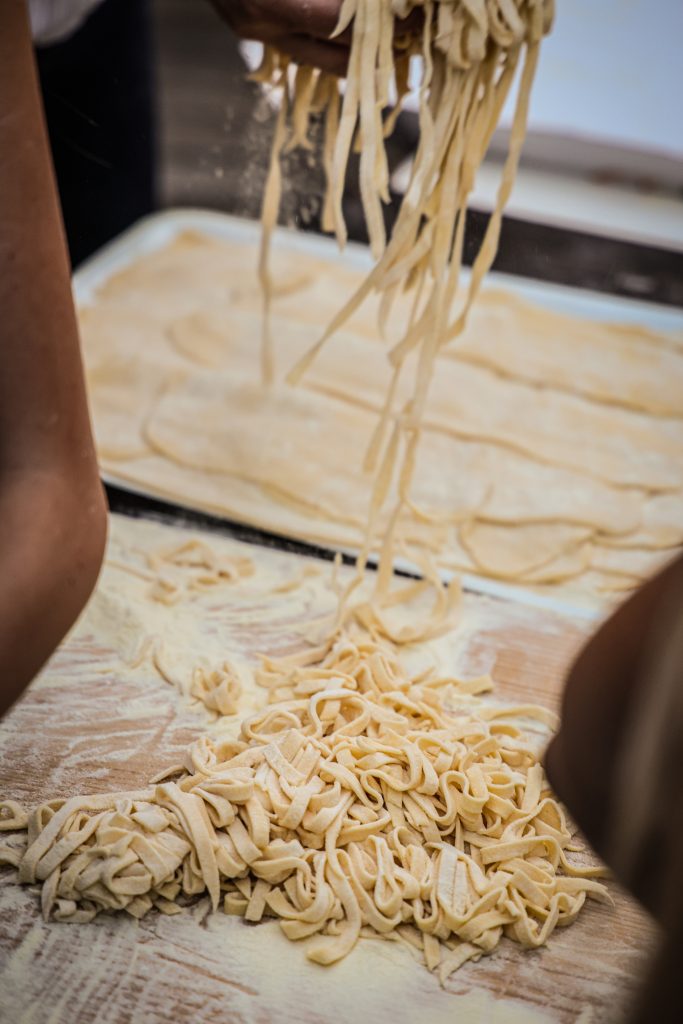
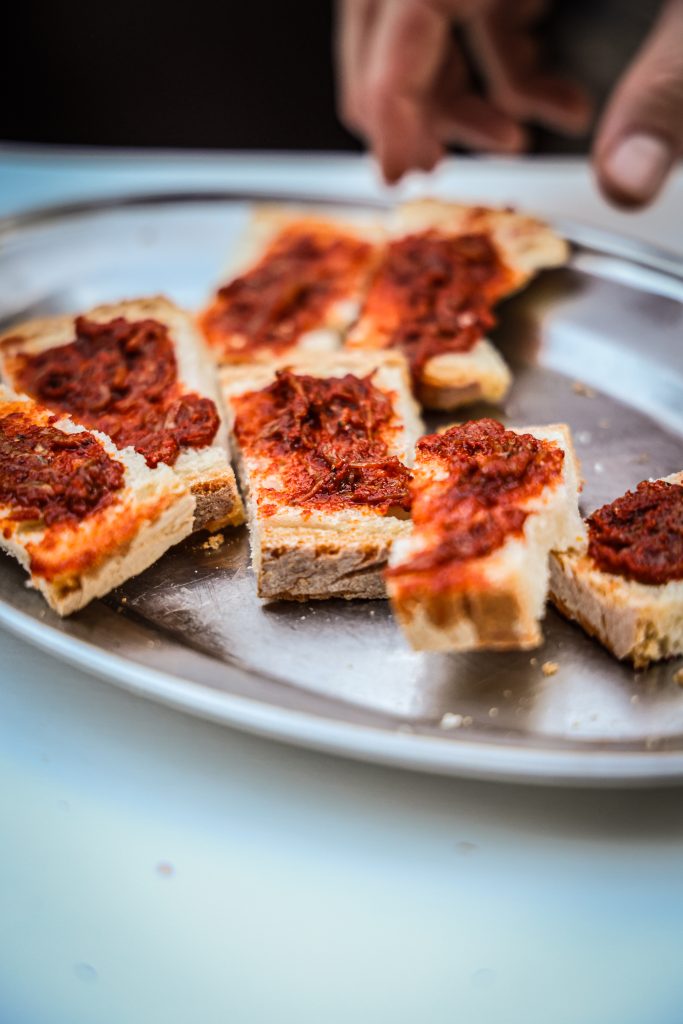
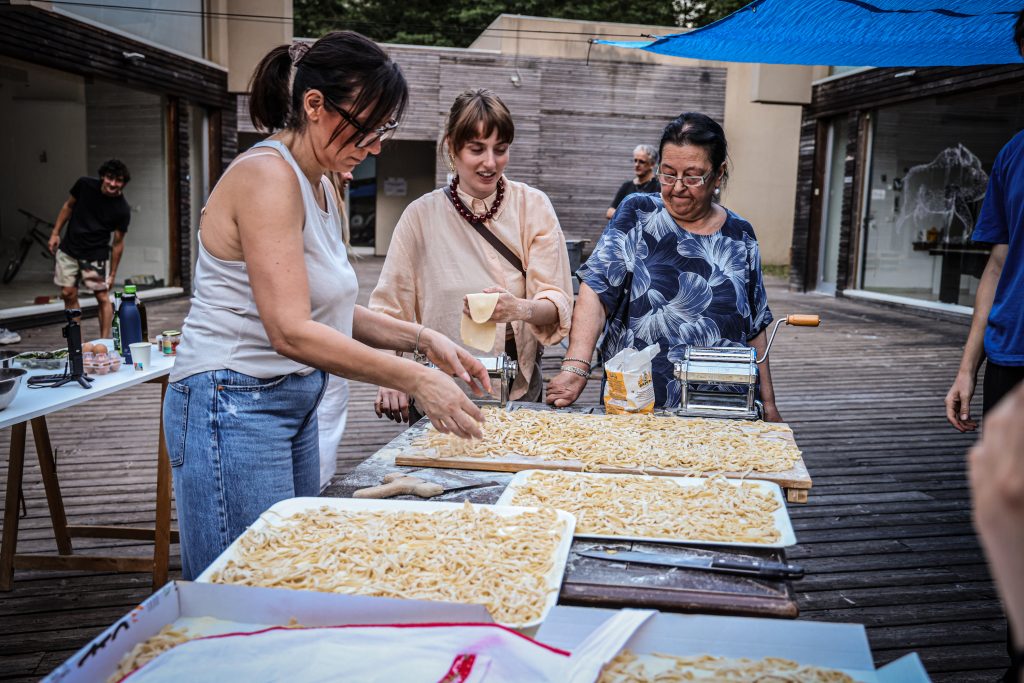
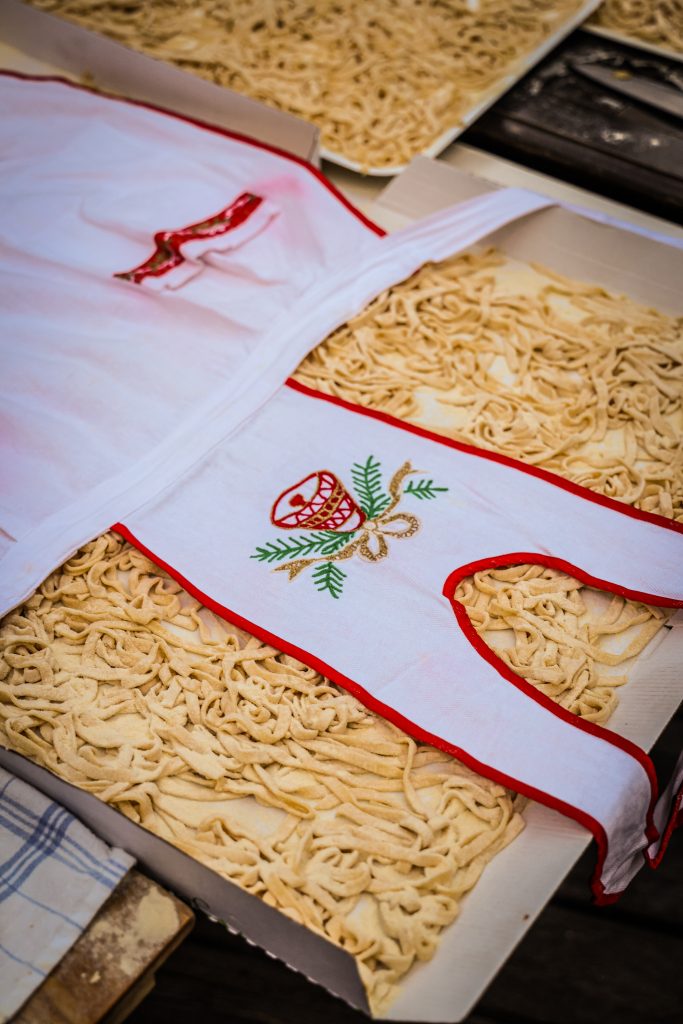
And a super big THANK YOU for the legendary Pasta Worksop
Photos: Lars Harmsen, Medea Meli